

Sealants
Soudal sealants cover every joint, gap, and surface found on a New Zealand building site, from MS sealant, silicone sealant and acrylics through to fire rated and automotive formulations. The range includes neutral, and hybrid polymer cures, so each product is matched to a specific substrate, movement class, and exposure condition rather than sold as a single all-purpose fix.
Match the sealant to the joint, not the other way round.
Soudal has been formulating sealants and adhesives since 1966 and is the largest independent European manufacturer in this category. Every NZ-specific sealant is tested against local UV and climate conditions, and BRANZ appraisal covers key products across the range. Trade users get technical datasheets and safety data sheets for every product, and the range is stocked through an established NZ hardware and trade merchant network. If the job calls for bonding rather than sealing, the Adhesives range or Expanding Foams may be a better fit. Not sure where to start, use the product selector tool.

MS SEALANTS & ADHESIVES
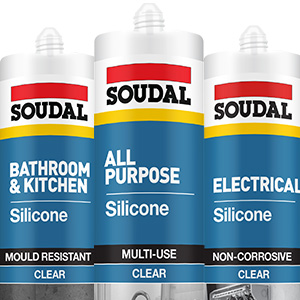
SILICONE SEALANTS
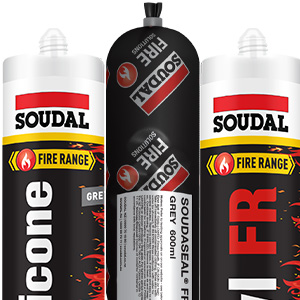
FIRE RATED SEALANTS
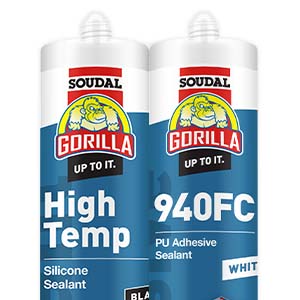
AUTOMOTIVE SEALANTS
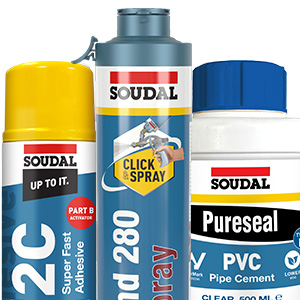
SPECIALTY ADHESIVES & SEALANTS
INDUSTRIAL ADHESIVES & SEALANTS
MS Sealants & Adhesives
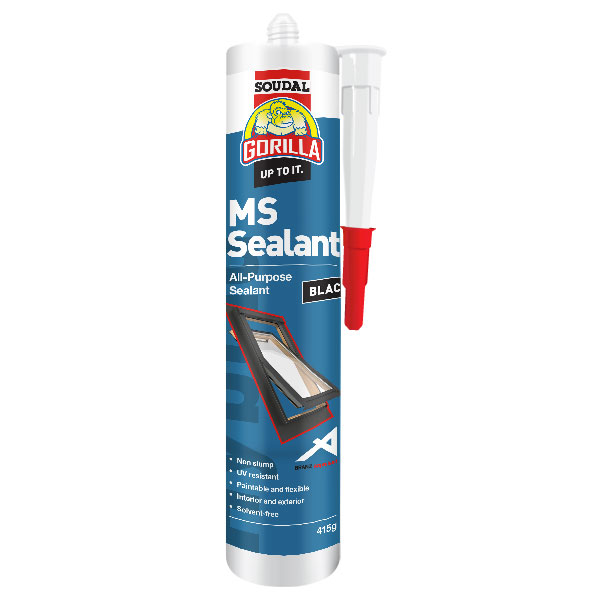
Gorilla MS Sealant
- Multiple sizes & colours
- BRANZ Appraised
- Non slump
- 900% break elongation
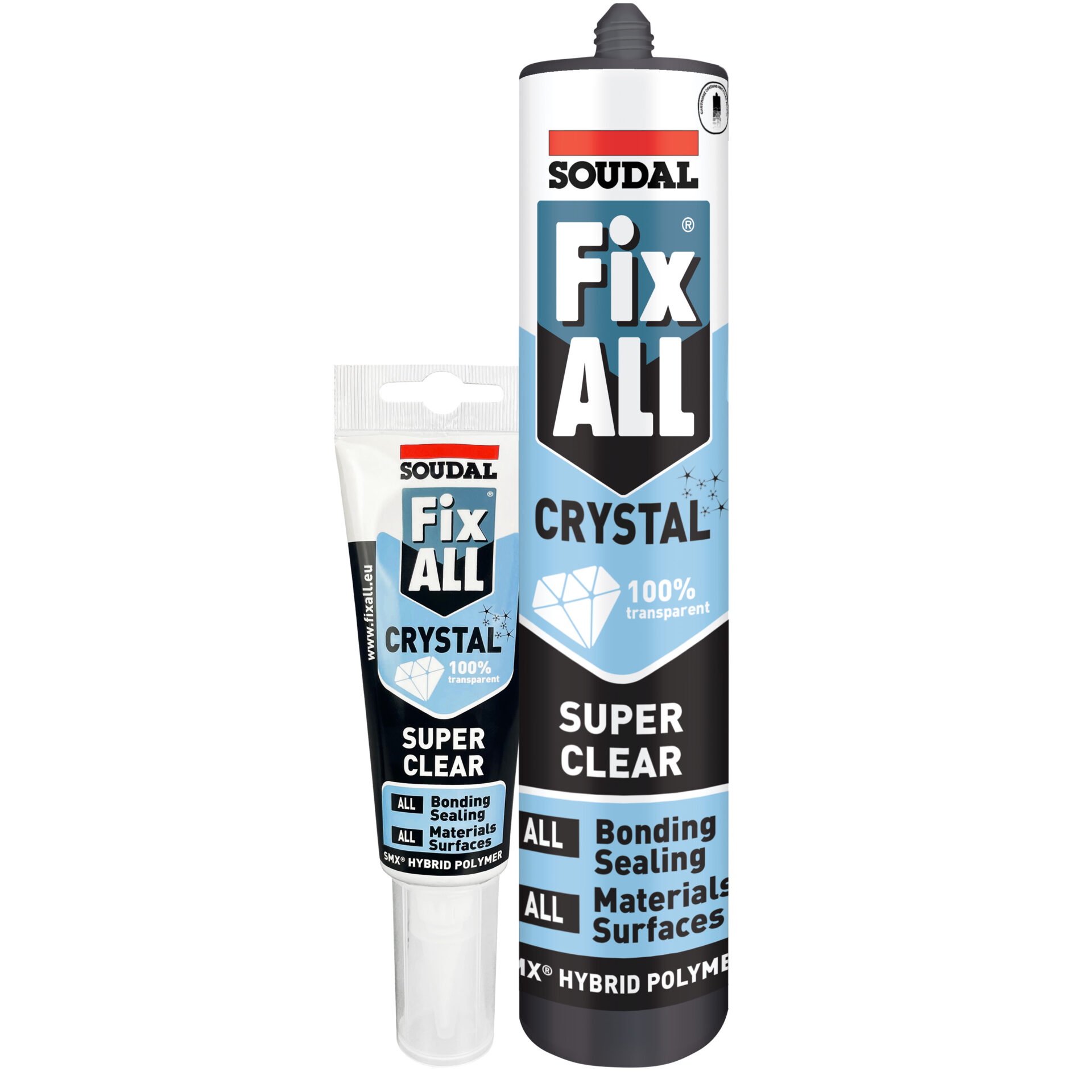
FixALL Crystal
- 300g 19331 & 125ml 19332
- Completely transparent
- Anti-fungal
- Solvent free
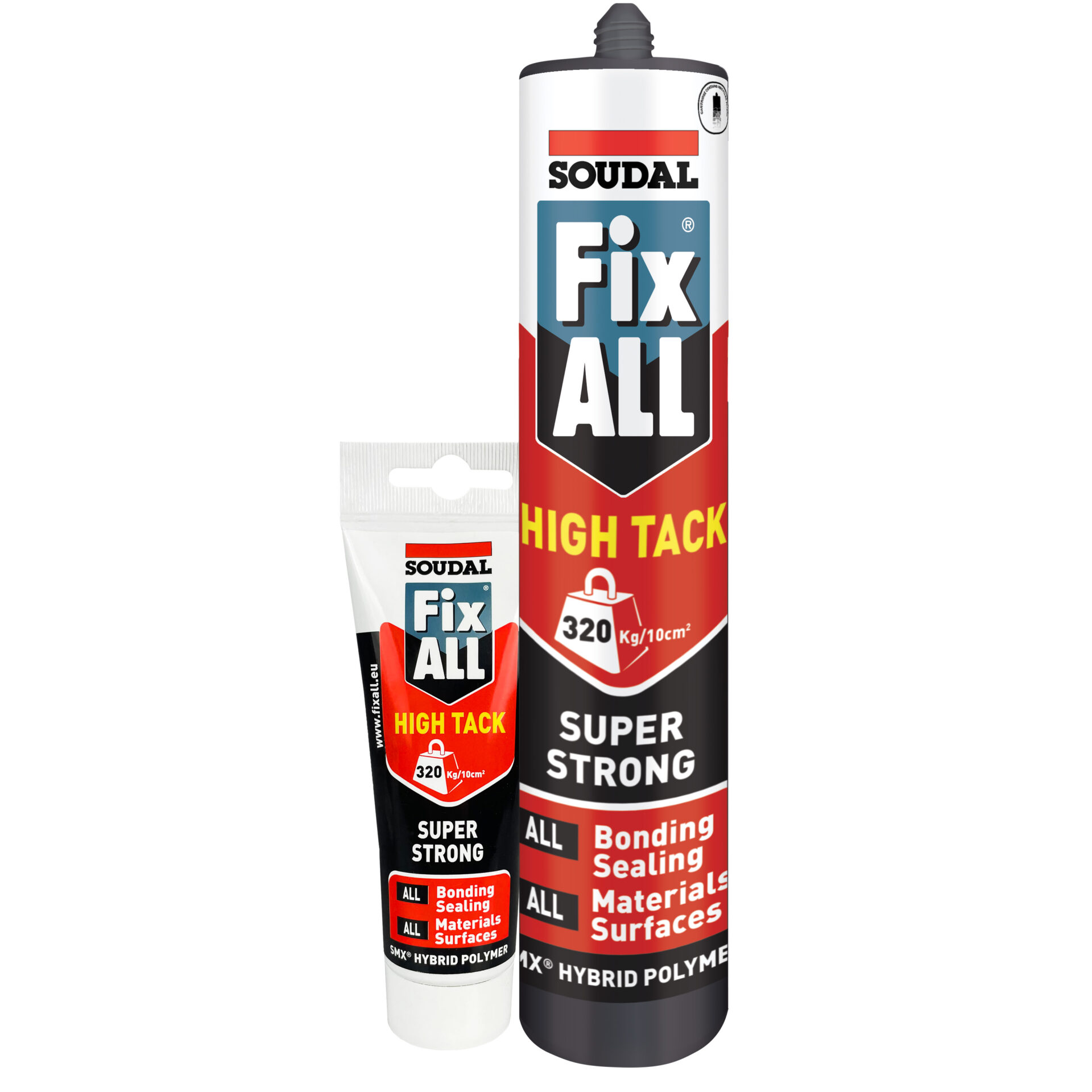
FixALL High Tack
- 290ml & 125ml, Multiple colours
- High flexibility
- High performance MS
- Solvent free
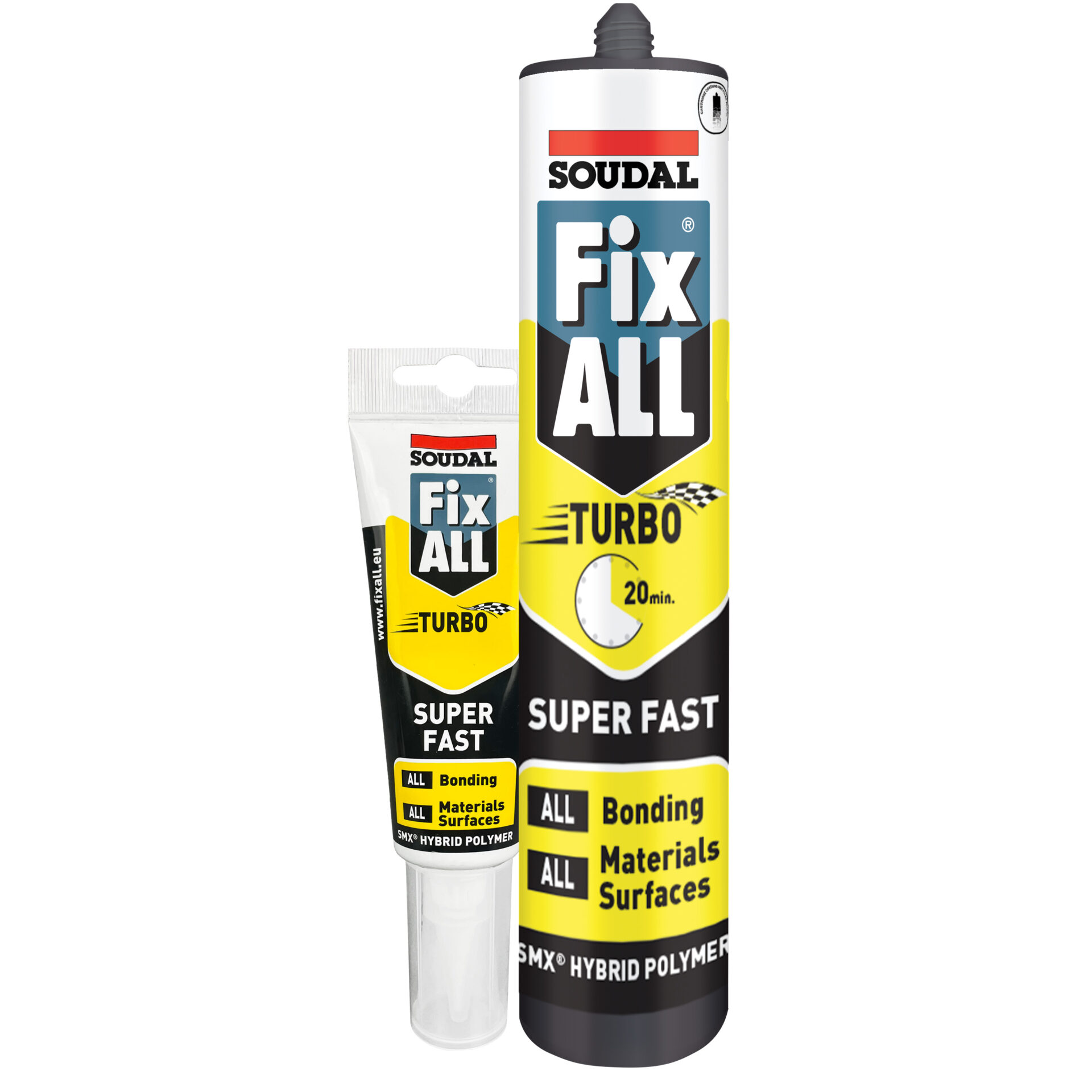
FixALL Turbo
- White 290ml 20311 & 125ml 20312
- Hand tight in 20 mins
- UV & weather resistant
- Solvent free
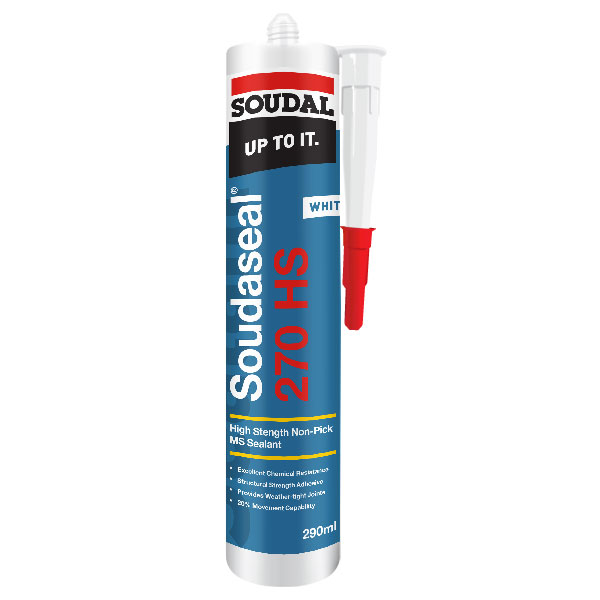
SOUDAL SOUDASEAL 270HS SEALANT & ADHESIVE
- 290ml Black & White, 600ml White
- Does not contain isocyanates
- Combines high end strength with certain rigidity
- High initial tack & fast build-up of end strength
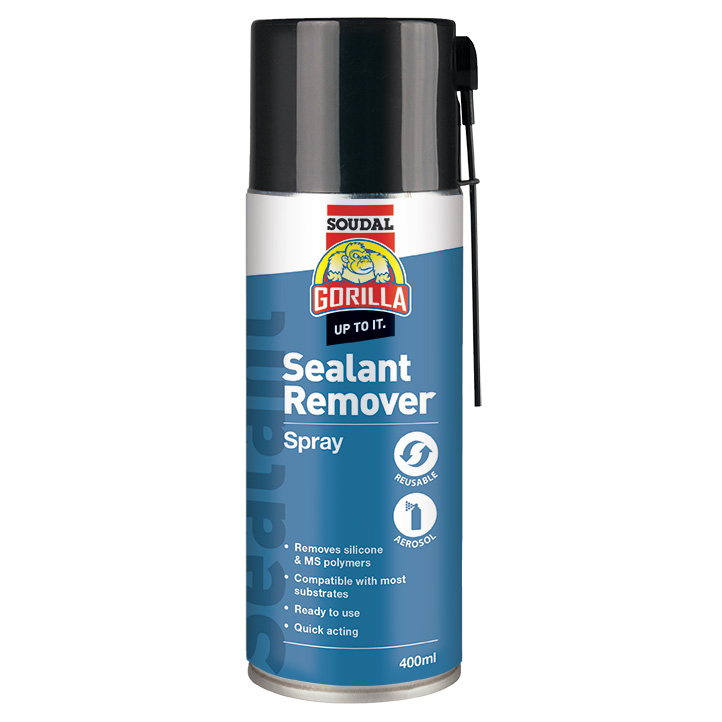
Gorilla Sealant Remover
- 400ml, 75133
- Removes silicone & MS sealants
- Quick acting
- Ready-to-use
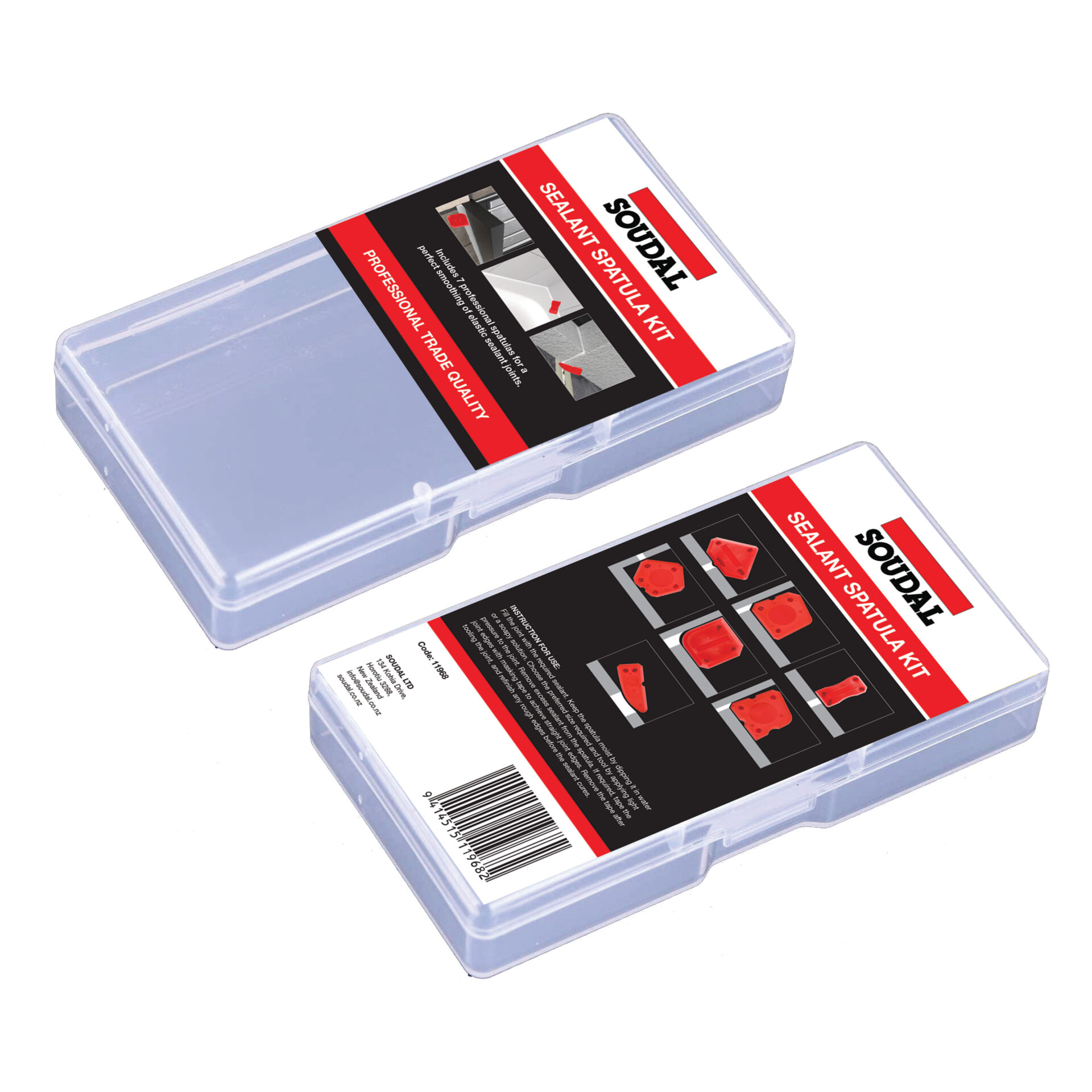
SOUDAL SEALANT SPATULA KIT
- Professional trade quality, 11968
- Seven sizes
- Multiple angles
- Reduces the risk of mould contamination
Multibond SMX25 – Flex & Seal
- 600ml – Multiple colours
- Can be painted with water based systems
- Good weather and UV resistance
- Stays elastic after curing
Soudaseal 650HT
- 137106 – 146064
- 600ml – Multiple colours
- Fast curing for improved productivity
- Excellent extrudability for easy application
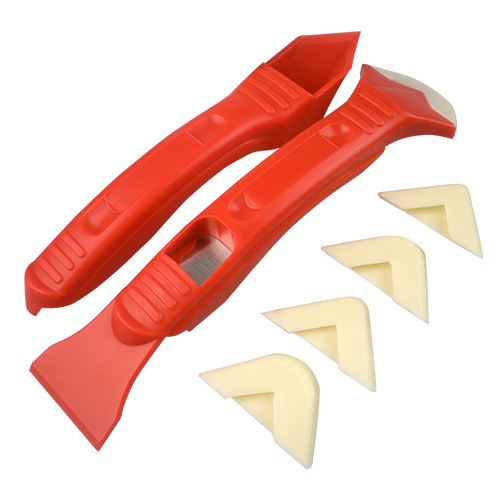
GORILLA SEALANT FINISHING & REMOVAL TOOL
- All in one kit, 11967
- Sealant trowel
- Sealant remover
- Joint cleaning tip
Silicones Sealants
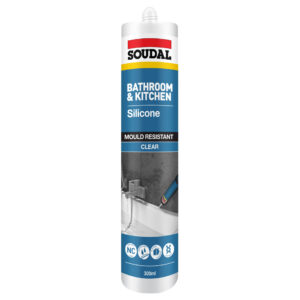
Bathroom & Kitchen
- 300ml, multiple colours
- Inhibits mould
- Great for wet area applications
- Interior & exterior
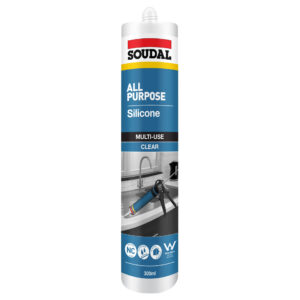
Soudal All Purpose Silicone
- 300ml, 600ml, multiple colours
- General purpose silicone
- Waterproof
- Fast skinning

Roof & Gutter Silicone
- 300ml, multiple colours
- Highly UV-resistant
- Fast skinning
- Neutral cure
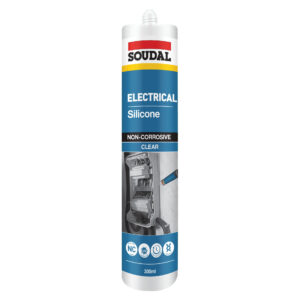
Electrical Silicone
- 310ml, clear
- Non-corrosive
- Waterproof
- UV resistant
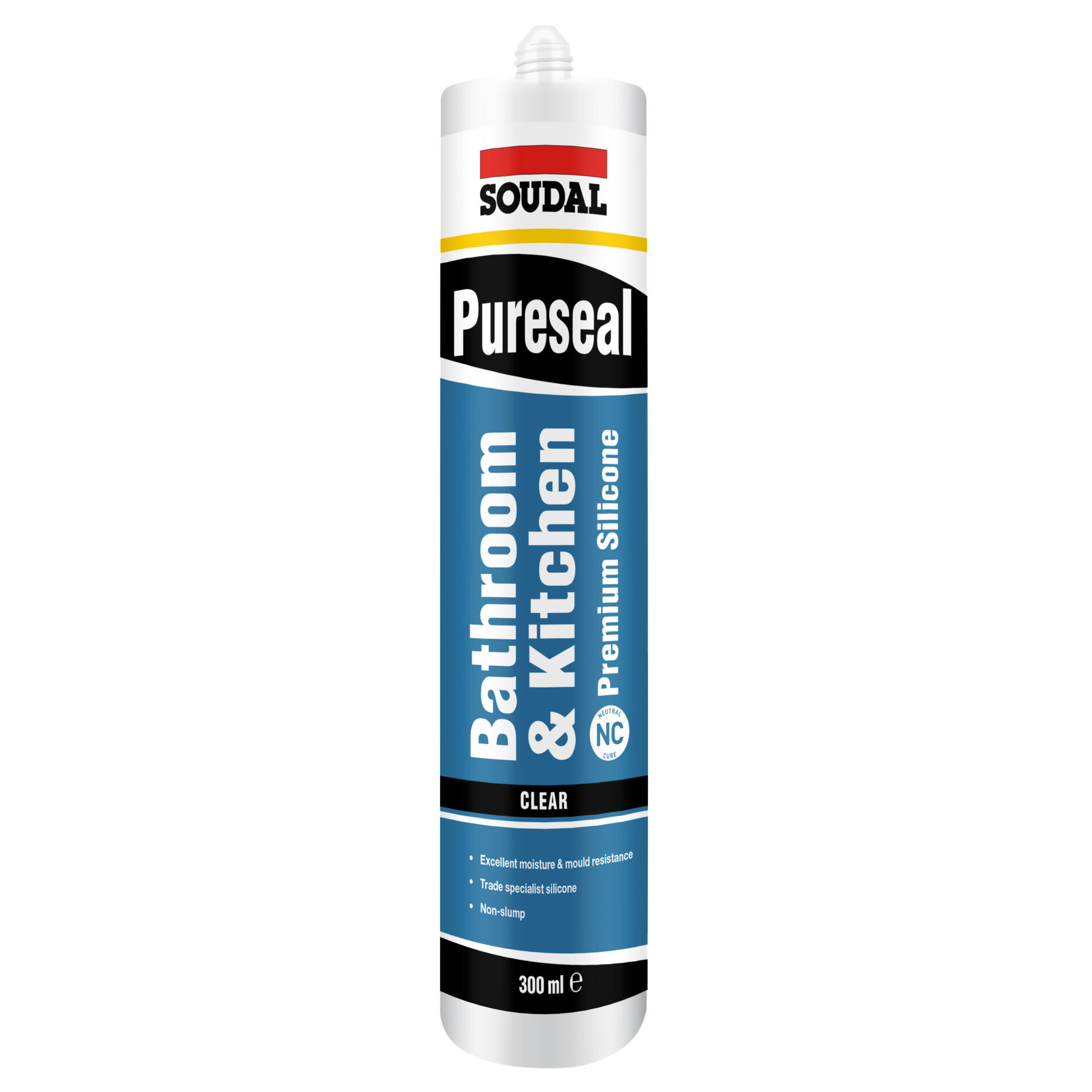
Pureseal Bathroom & Kitchen
- 300ml, white & clear
- Inhibits mould
- 100% silicone with no added solvents
- Ultra-low VOC
- Interior & exterior
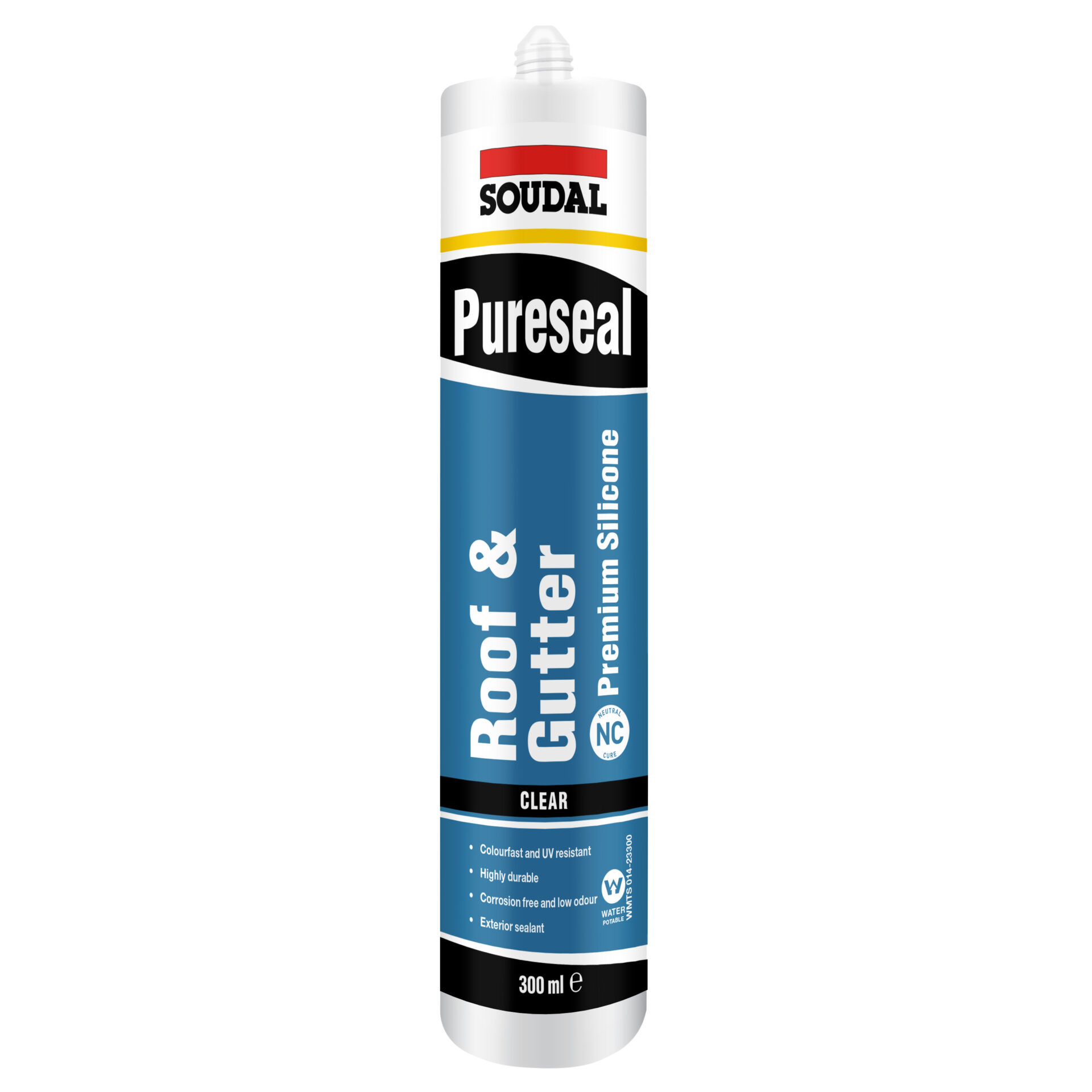
Pureseal Roof & Gutter
- 300ml, clear
- UV resistant in harsh climates
- Highly durable
- Quick skinning time
- Exterior use
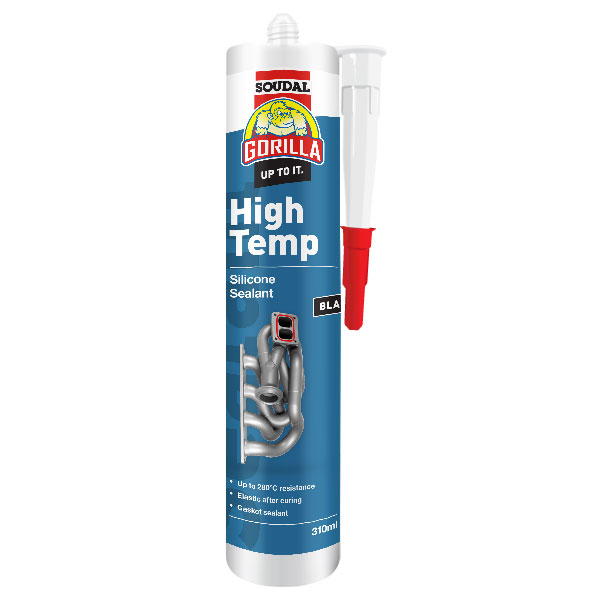
Gorilla High Temp Silicone
- 310ml, black, 20140
- Resistant up to 280°C
- Very easy to apply
- Permanent elastic after curing
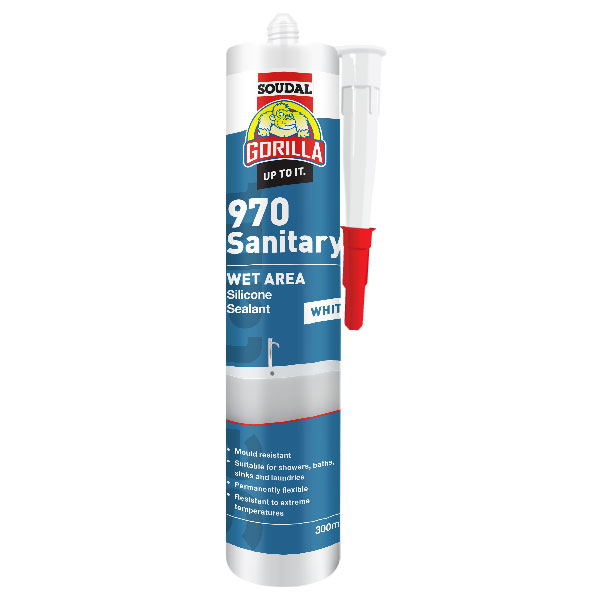
Gorilla 970 Sanitary Silicone
- 300ml, clear 23201 & white 23202
- Mould resistant
- Permanently flexible
- Suitable for showers, baths, sinks & laundries
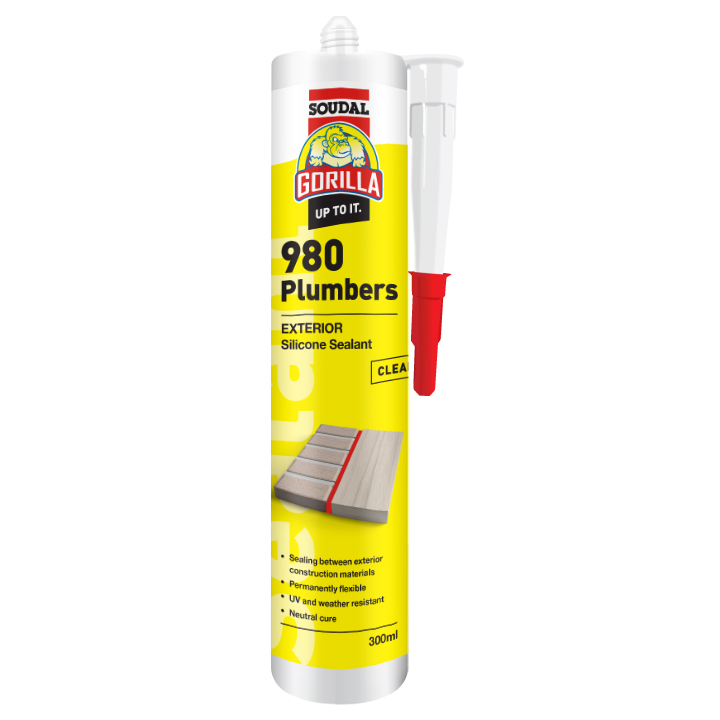
Gorilla 980 Plumbers Silicone
- 300ml, clear, 23200
- Permanently flexible
- UV and weather resistant
- Sealing between exterior construction materials
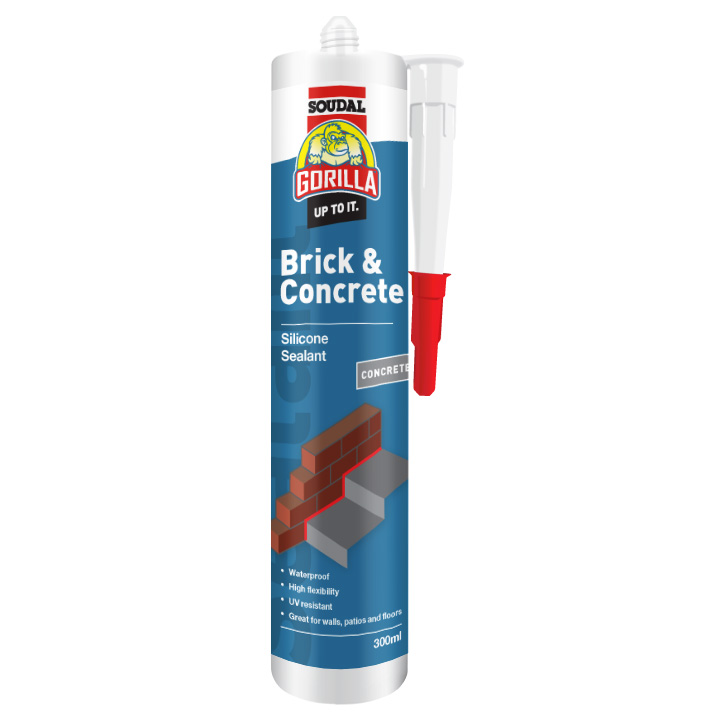
Gorilla Brick & Concrete Silicone
- 300ml, concrete grey, 19706
- Waterproof
- High flexibility
- UV Resistant
- Great for walls, patios and floors
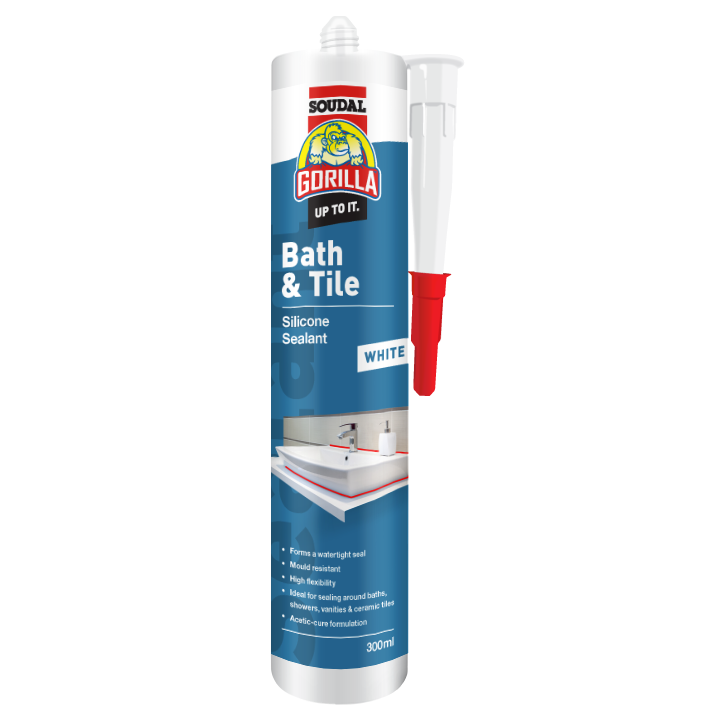
GORILLA BATH & TILE SILICONE
- 300ml, white, 19954
- Forms a watertight seal
- Mould resistant
- High flexibility
- Acetic-cure formulation
- Ideal for sealing around baths, showers, vanities & ceramic tiles
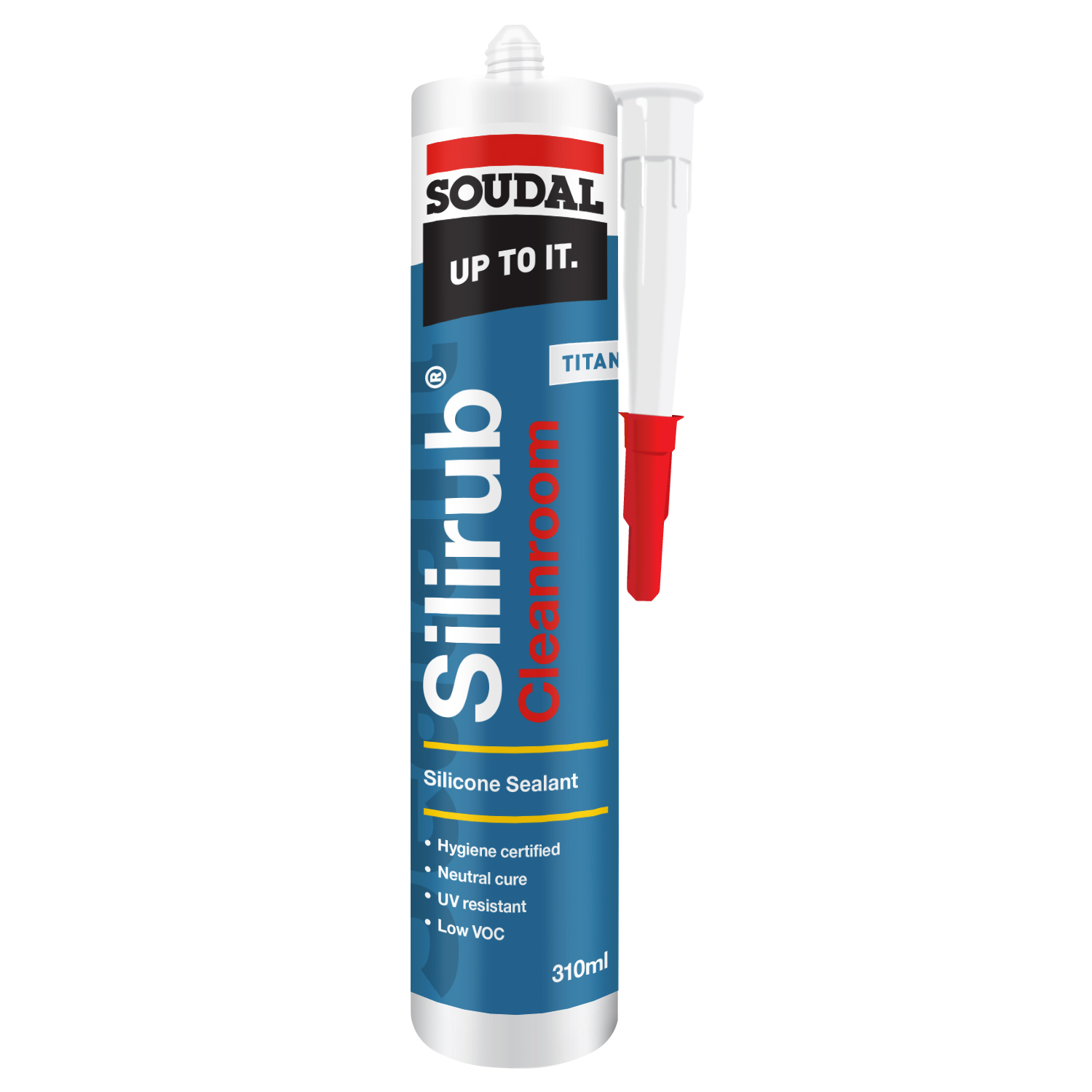
Soudal Silirub Cleanroom Silcione
- Titania, 600ml & 310ml
- Great for hygiene areas
- Neutral cure
- NZ UV resistant
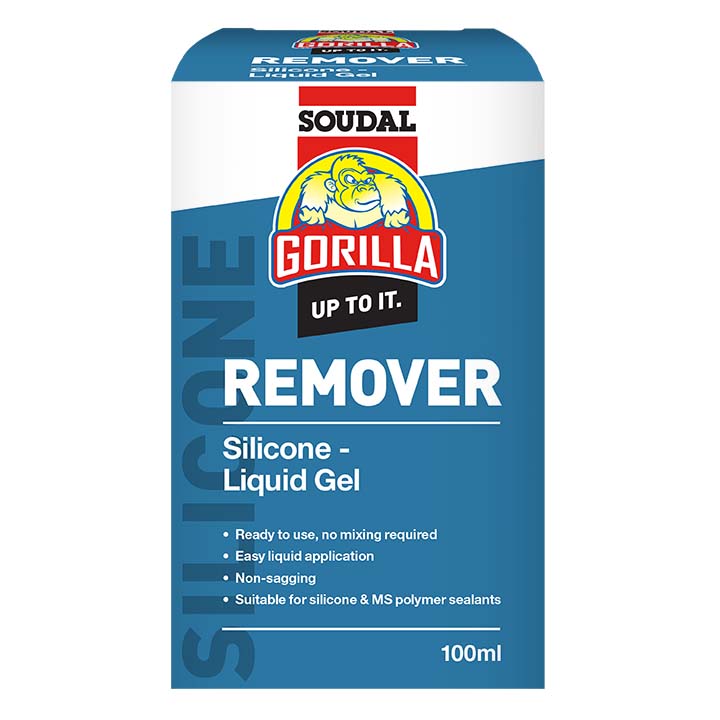
Gorilla Silicone Remover
- 100ml, clear, 19920
- Excellent silicone remover
- Clean tidy finish
- Easy to apply
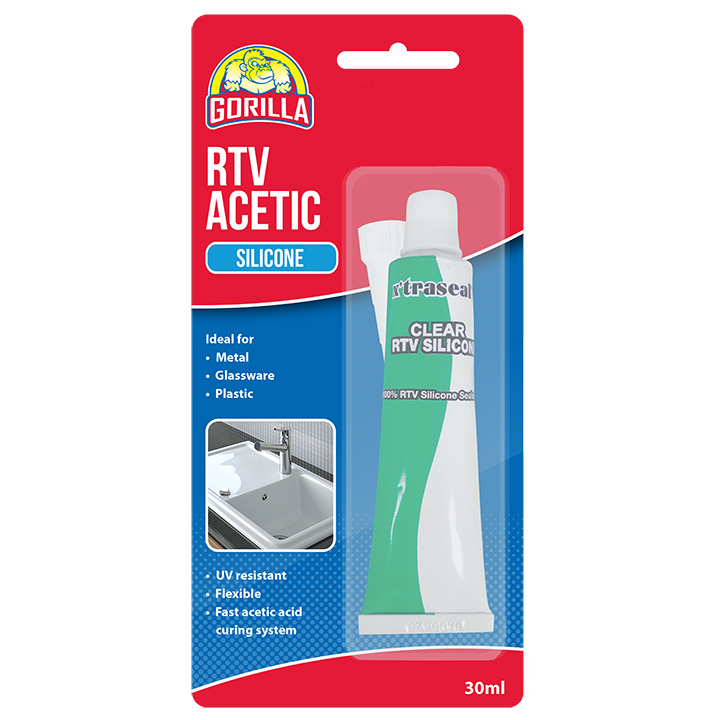
Gorilla RTV Acetic Silicone
- 30ml, white, 01308
- Acetic acid curing system
- Outstanding durability
- Low shrinkage
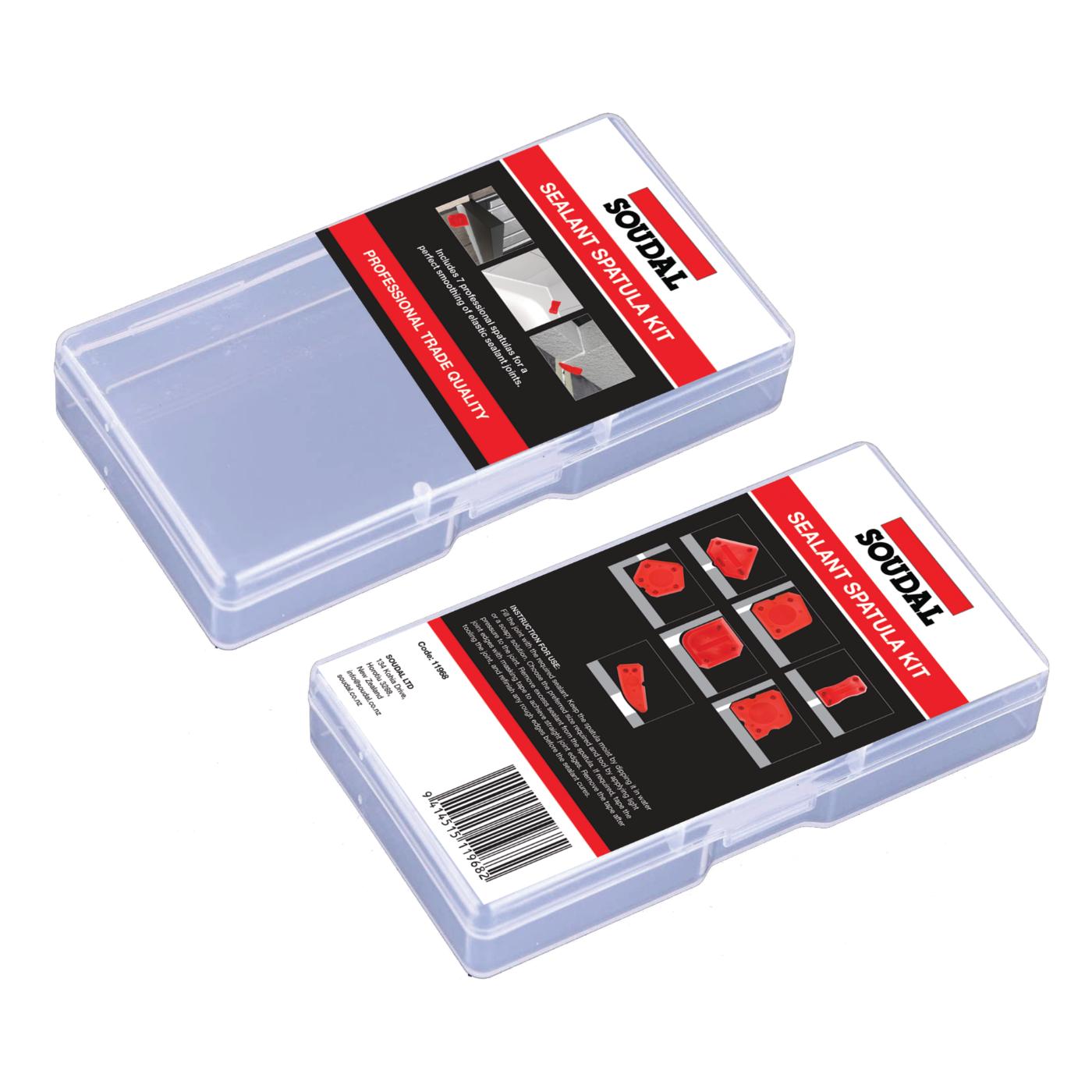
SOUDAL SEALANT SPATULA KIT
- Professional trade quality, 11968
- Seven sizes
- Multiple angles
- Reduces the risk of mould contamination
Fire Rated Sealants
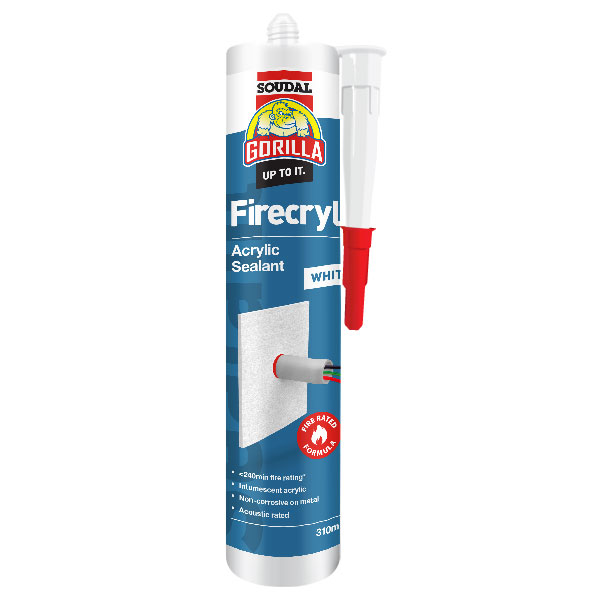
GORILLA FIRECRYL ACRYLIC SEALANT
- 300ml white 20060 & 600ml grey 21427
- Prevents passage of fire & smoke
- High dB attenuation
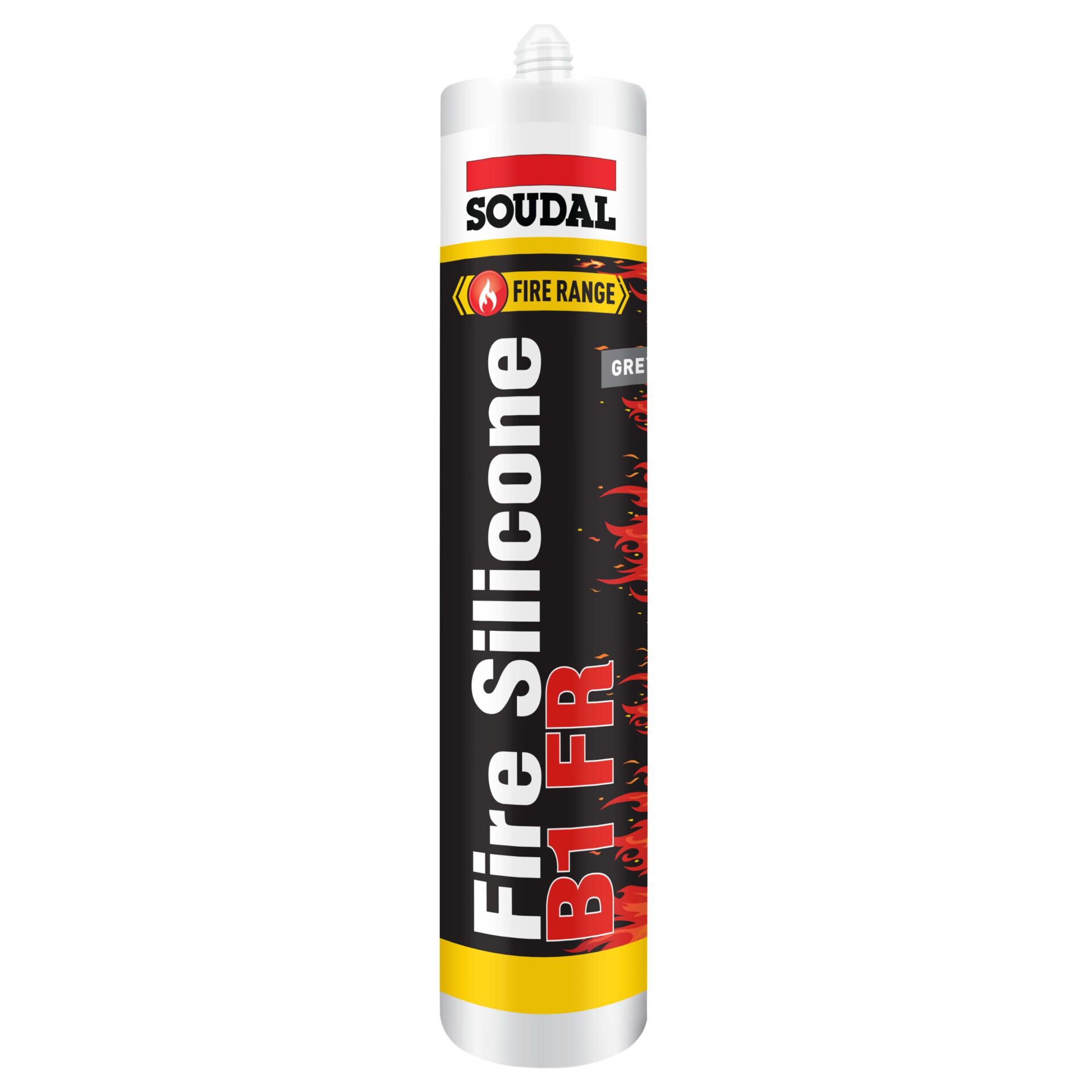
Gorilla FIRESIL SILICONE
- 300ml, grey, 20165
- Fire rating up to 4 hours
- Elastic after curing
- UV-resistant
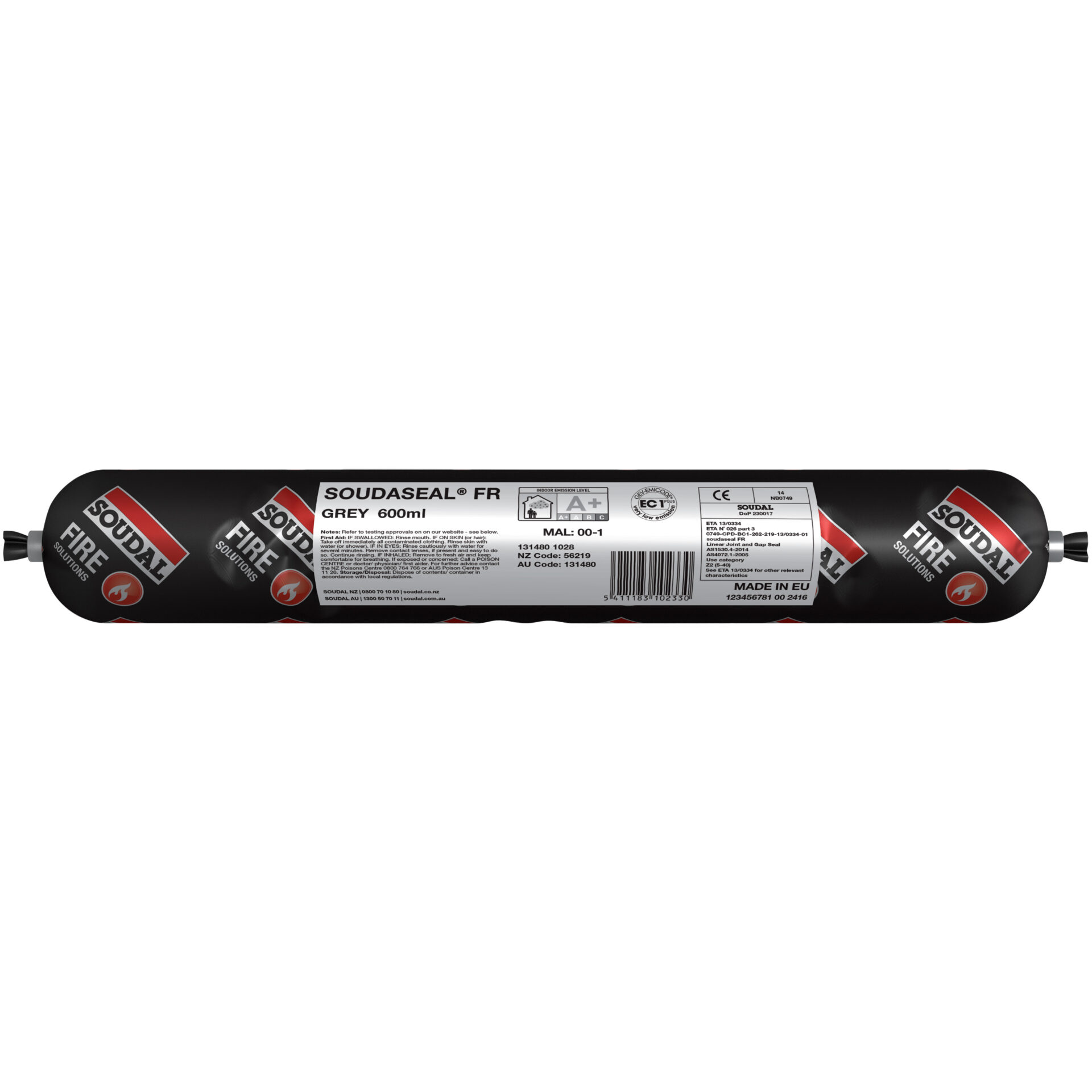
SOUDASEAL® FR
- 600ml, grey, 56219
- 4 hours of fire resistance AS 1530.4
- Optimal performance in NZ climate
- UV resistant
- Low VOC to protect human health
Automotive Sealants
GORILLA HIGH TEMP SILICONE
- 310ml
- Resistant to fuels, oil & grease
- High temp resistance up to 280C
- Permanent elastic after curing
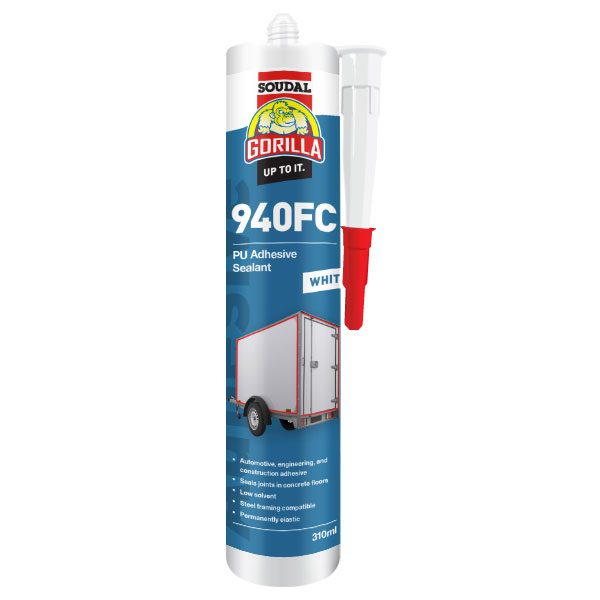
GORILLA 940FC PU
- 310ml, 600ml
- Quality PU sealant & adhesive
- Excellent adhesion
- Automotive, engineering and construction adhesive
Soudal Soudaseal 240FC MS Adhesive
- 600ml, multiple colours
- Outstanding bond strength
- No odour
- VOC friendly
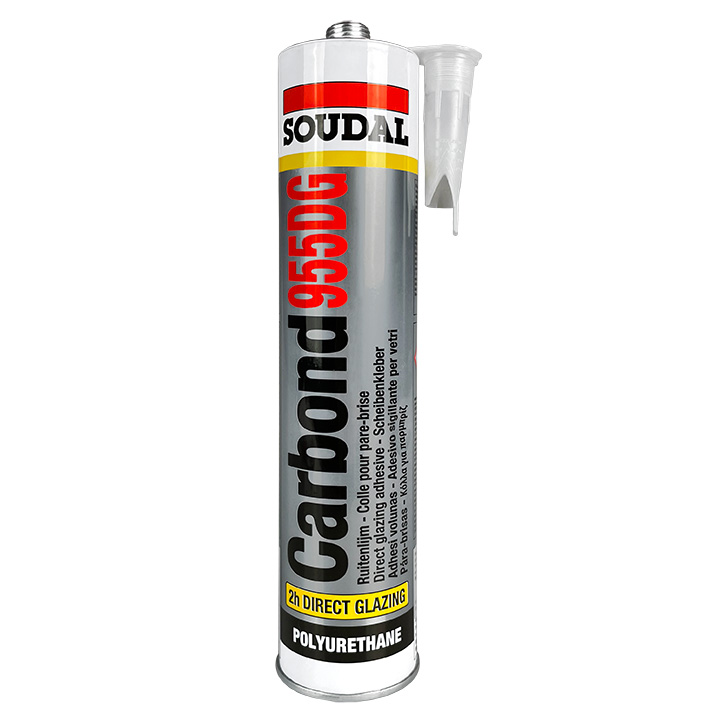
CARBOND 955DG SEALANT
- 310ml
- Windscreen sealant
- Good sag resistance
- High end strength
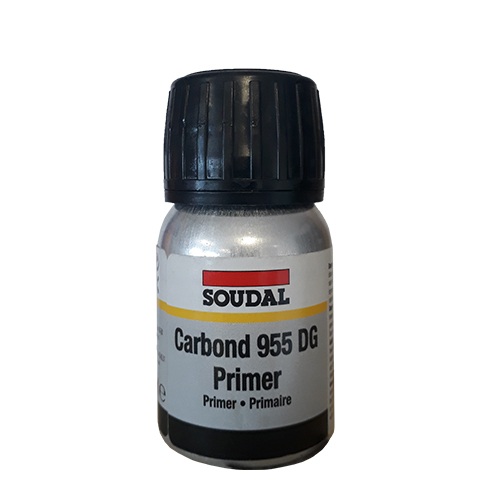
Carbond 955DG Primer
- Increases bond strength
- To be used before applying Carbond 955DG Windscreen Sealant
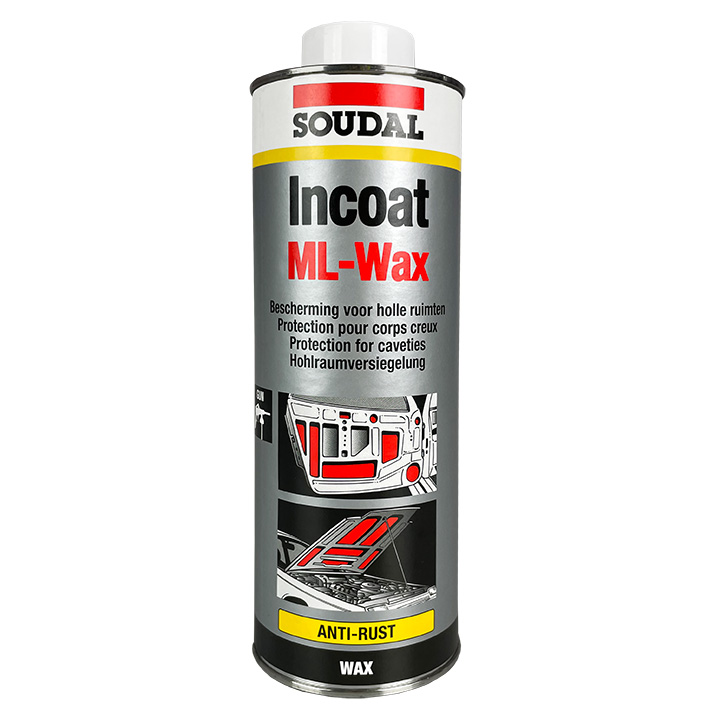
Soudal Incoat ML Wax
- 1kg, translucent, 20172
- Contains pure wax
- Does not drip
- Water repellent rust protection
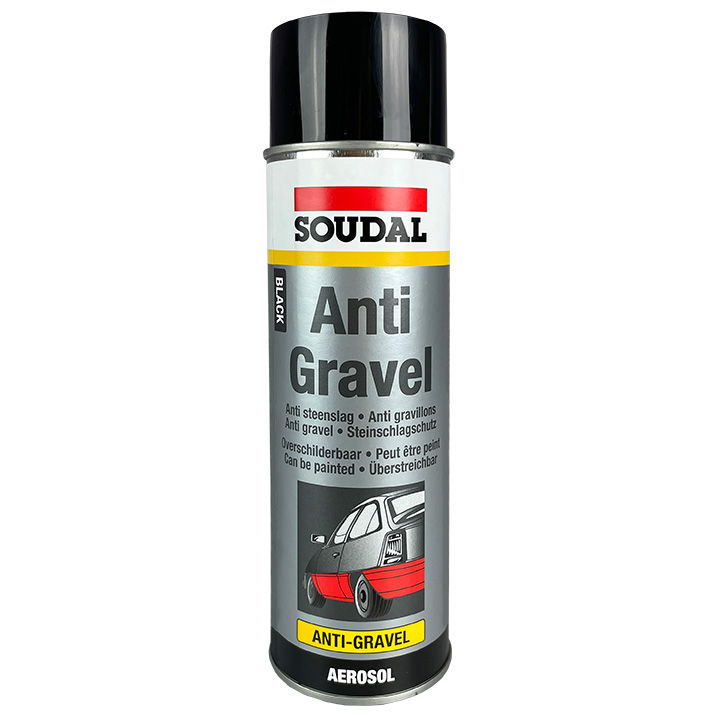
Soudal Antigravel
- 500ml 20167 & 1kg 20163, black
- Sound deadening
- Temperature resistant
- Water & solvent repellent
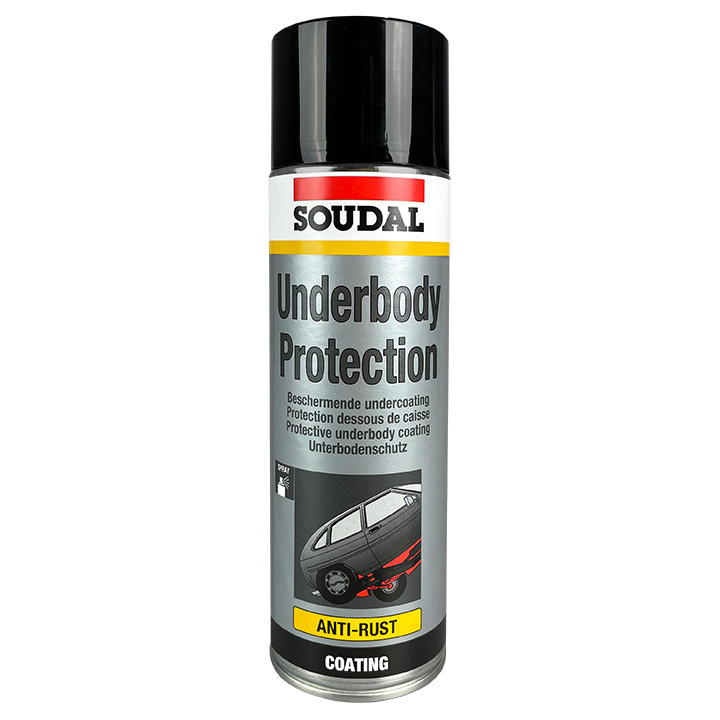
Soudal Underbody Protection
- 500ml 20164 & 1kg 20155, black
- Creates a tough elastic layer
- Sound deadening
- Can be painted
Specialty Adhesives and Sealants
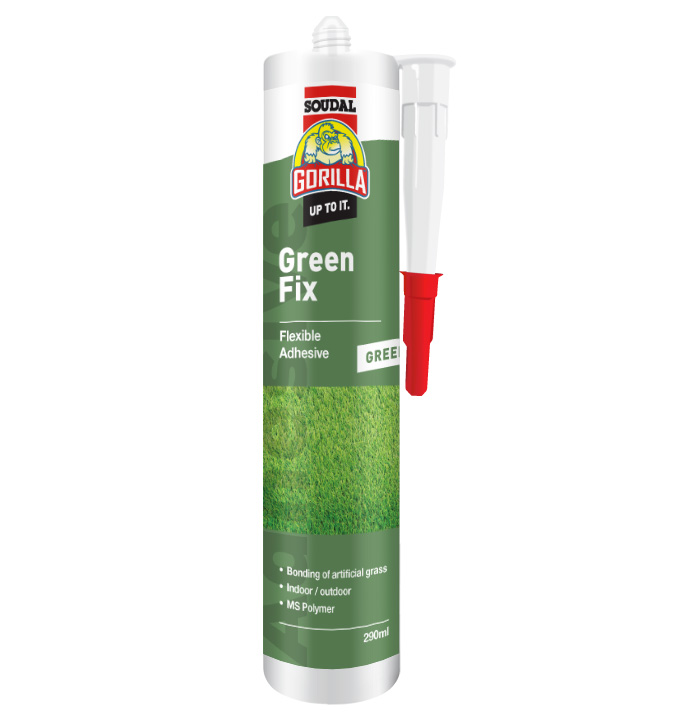
Gorilla Green Fix
- 290ml, green, 20318
- All weather
- MS Polymer
- Internal and external use
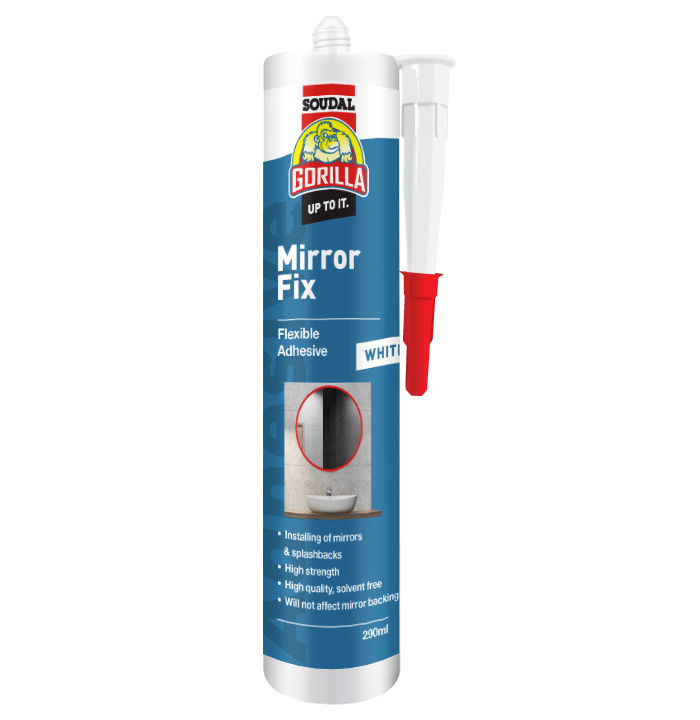
Gorilla Mirror Fix
- 290ml, white, 20319
- MS Polymer
- Silver and vinyl mirror systems
- Solvent Free
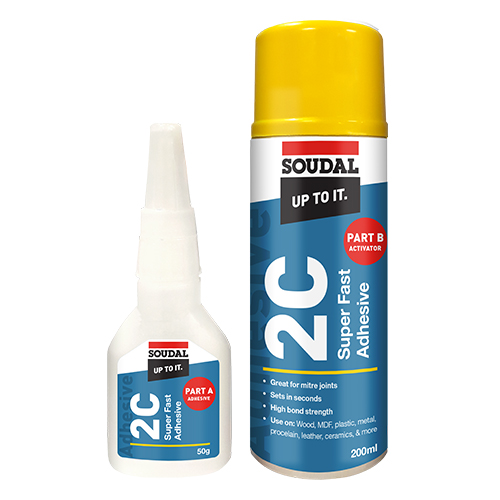
SOUDAL 2C SUPER FAST ADHESIVE
- 50g / 200ml 01305
- Great for mitre joints
- Sets in seconds
- High bond strength
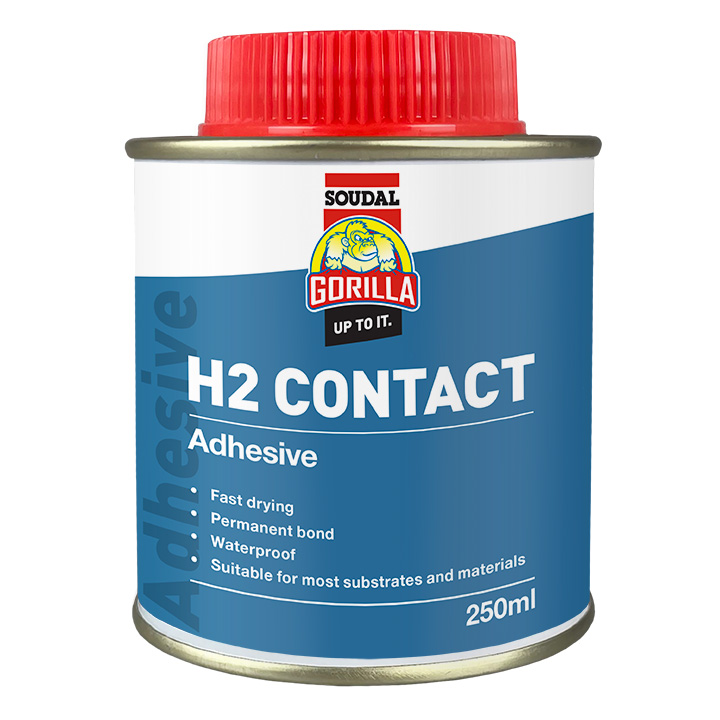
Gorilla H2 Solvent Based Contact Adhesive
- Multiple sizes, light brown
- Fast drying
- Permanent bonding
- Works on multiple surfaces

GORILLA THREAD LOCKER
- 10ml, blue, 01295
- Withstands vibration
- Heat resistant
- Prevents leaks
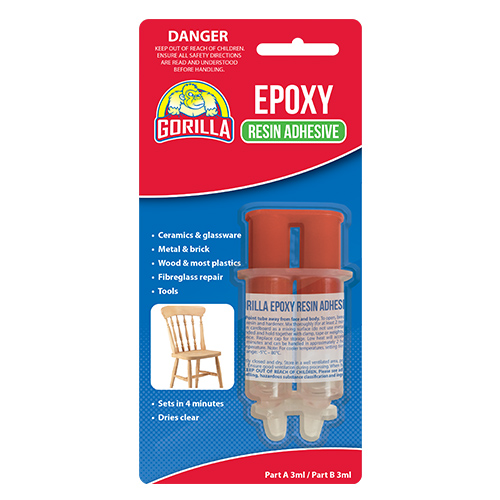
GORILLA EPOXY 4 MINUTE CURE
- PART A & B 3ml each, Clear, 01324
- 2 part epoxy resin
- Sets in 4 minutes
- Dries clear
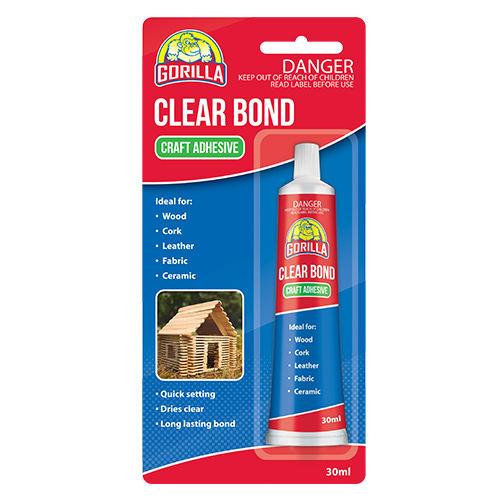
GORILLA CLEARBOND CRAFT GLUE
- 30ml, Clear, 01336
- Strong craft adhesive
- All purpose use
- Dries clear, quick setting
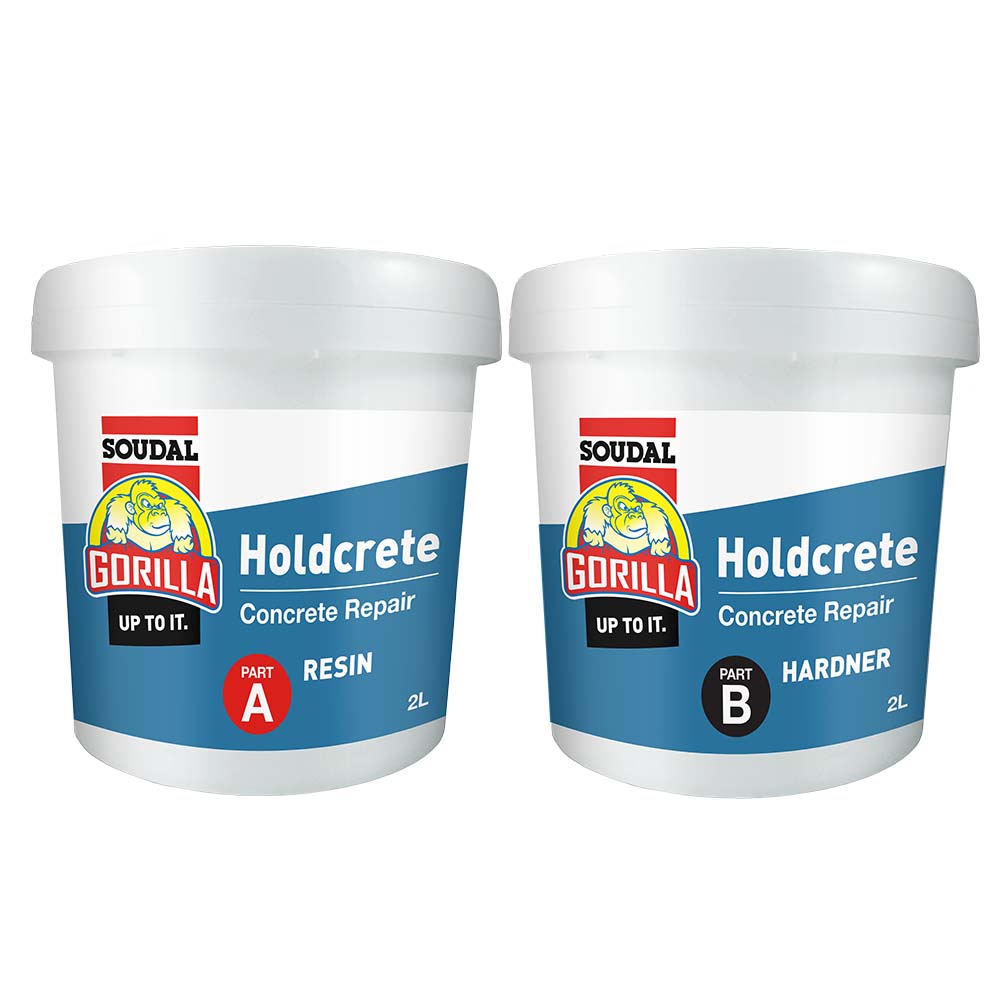
GORILLA HOLDCRETE CONCRETE REPAIR
- multiple sizes, grey
- Super strong structural repair
- Sticks concrete to concrete
- Sticks to damp surfaces
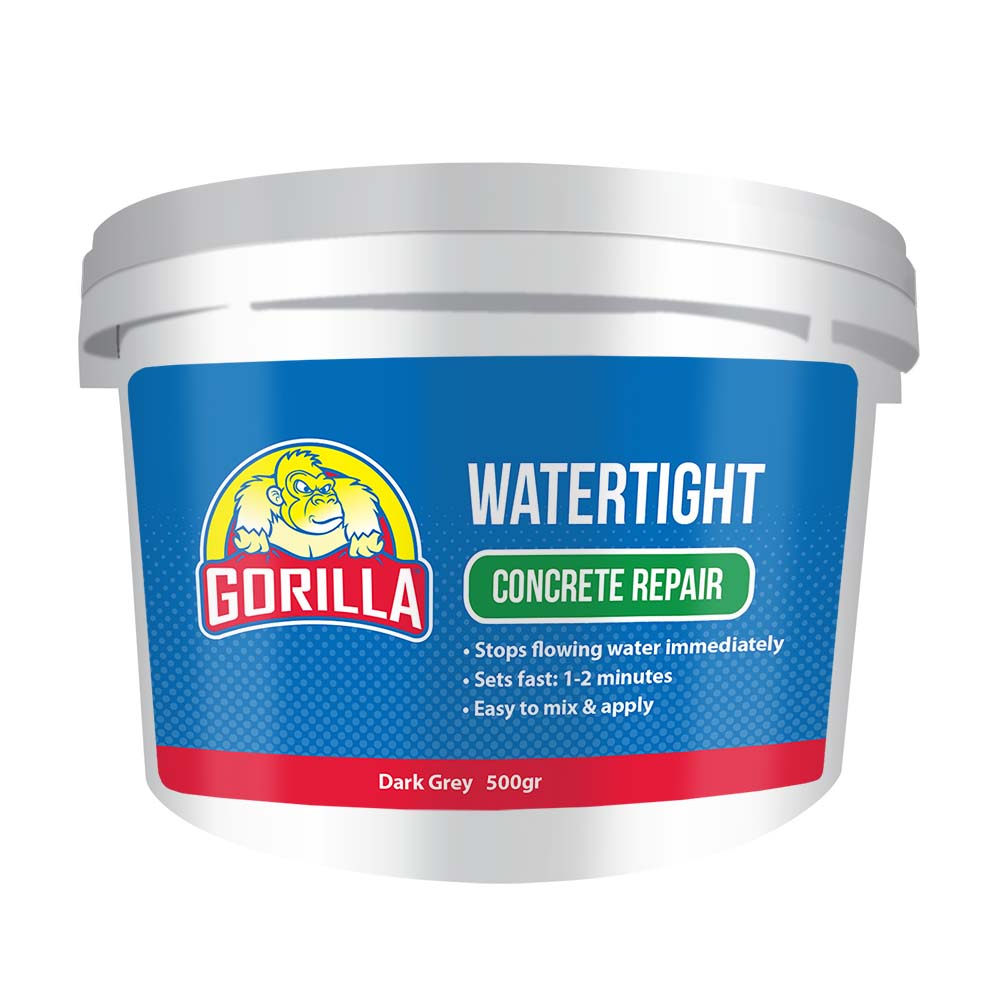
GORILLA WATERTIGHT CONCRETE REPAIR
- 500g, dark grey, 01850
- Stops leaks in 3-5 minutes
- Concrete repairs, anchor bolts
- Non toxic
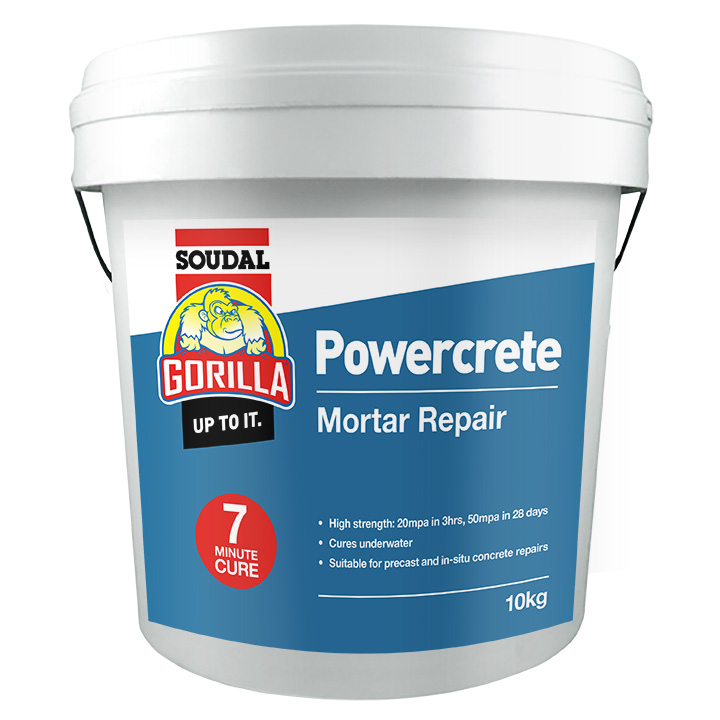
GORILLA POWERCRETE 7MIN CURE MORTAR REPAIR
- 10kg, grey, 01860
- High strength
- Fast setting – Sets in 7 minutes
- Will cure underwater
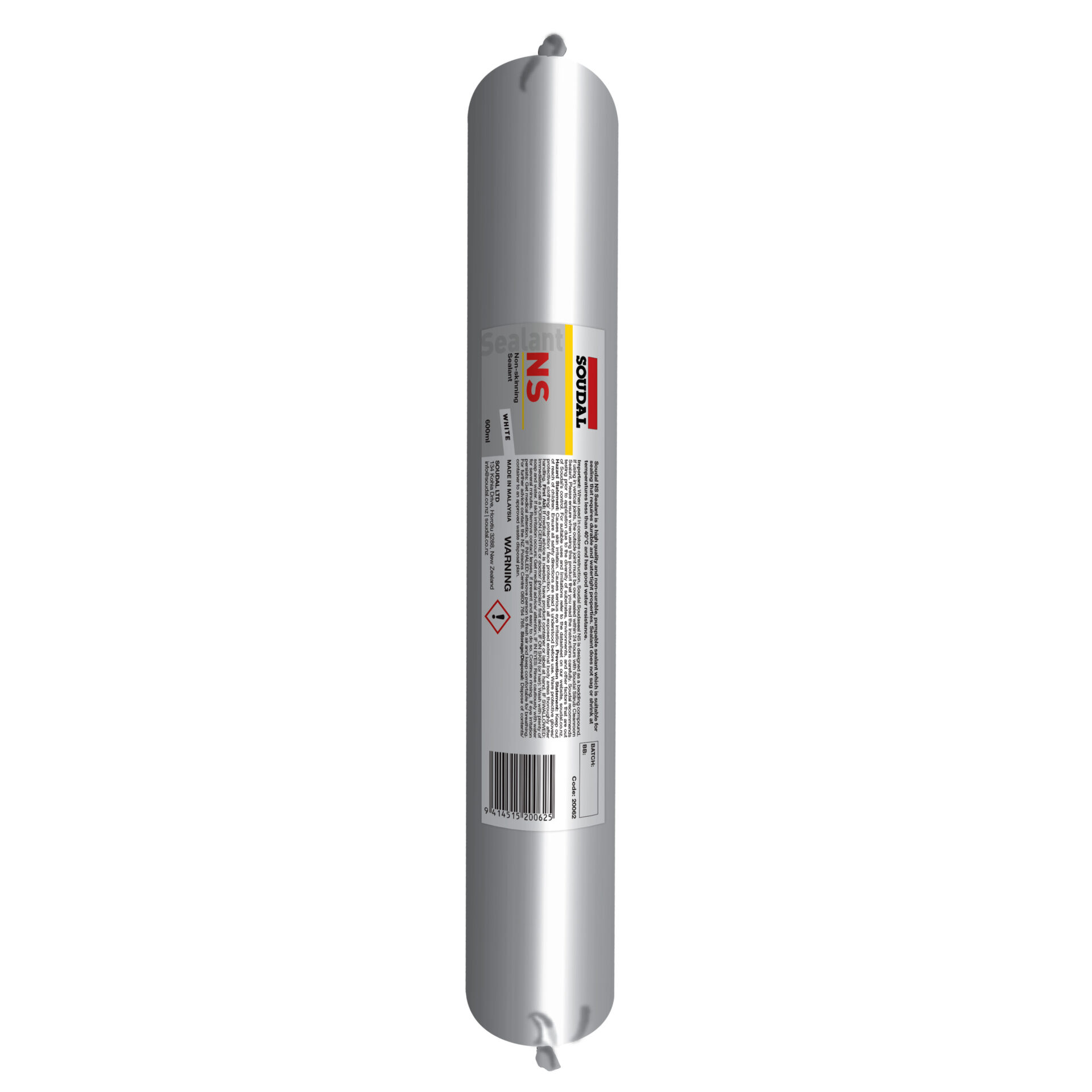
SOUDAL NS
- 600ml, white, 20062
- Easy application
- Non setting, water resistant
- Refrigeration & cool store construction
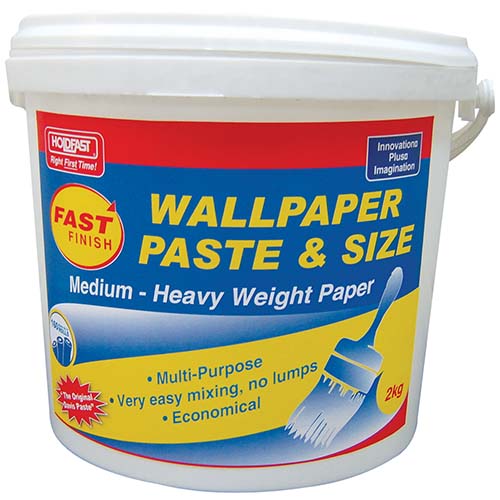
HOLDFAST FAST FINISH WALLPAPER PASTE
- multiple sizes, off white
- Easy mixing and no lumps
- Thickens rapidly, ready in 10-15mins
- Good slip slide action
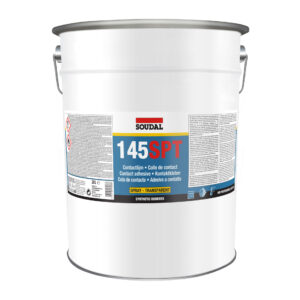
SOUDAL 145SPT TRANSPARENT CONTACT ADHESIVE SPRAY
- 20 L transparent
- Ready to use, sprayable viscosity
- Immediately fixed
- Fast strength build-up
- Moisture resistant
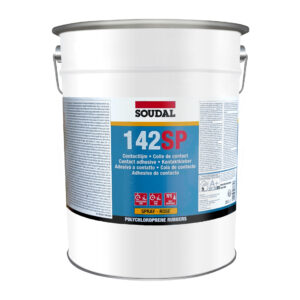
SOUDAL 142SP CONTACT ADHESIVE SPRAY
- 20 L rose
- Ready to use, sprayable viscosity
- Immediately fixed
- Fast strength build-up
- Moisture resistant
How to choose the right sealant
Sealant selection comes down to four questions: what’s the substrate, how much will the joint move, will it be exposed to water or UV, and does it need to be painted.
Substrate compatibility. Acetic-cure silicones bond well to glass, ceramic, and non-porous surfaces but can corrode some metals and shouldn’t go on fresh masonry. Neutral-cure silicones and MS Polymer sealants are safe on a wider range of substrates, including natural stone, powder-coated aluminium, and most metals.
Movement capability. Expansion joints and façade joints need a sealant rated for higher movement accommodation, typically 20-25% for MS Polymer sealants and up to 50% for premium silicones. General interior joints and static joints can use a lower-movement mastic.
Exposure and location. Bathroom and kitchen silicones are formulated with additional fungicides to resist mould in humid rooms. Roof and gutter silicones carry stronger UV stabilisation for constant sun exposure. Applications with high UV exposure, such as around windows and doors, require sealants that have high movement capability and resistance to UV along with providing weather-tightness.
Paintability. Silicone sealants can’t be painted. If the joint needs to be painted over, an MS Polymer or polyurethane sealant is the correct choice.
Our sealant range includes
- MS Sealants & Adhesives for paintable, high-tack sealing and bonding.
- Silicone Sealants for wet areas, roofing, glazing, and general use.
- Fire Rated Sealants for passive fire joints and service penetrations.
- Automotive Sealants for windscreen bonding, panel sealing, and underbody protection.
Sealant Application guidance
Clean and dry the joint before application, removing dust, grease, and old sealant residue. Use masking tape either side of the joint for a straight finish and remove it before the sealant skins over. Tool the bead within the open time stated on the product’s technical datasheet, and don’t disturb the joint until the stated cure time has passed. For deep joints, use a backing rod to control bead depth and prevent three-sided adhesion, which restricts a sealant’s ability to move with the joint.
Not sure which sealant suits the job? Use our product selector tool, download the product catalogue, contact us directly, or find your nearest stockist.
Sealants FAQs
What's the difference between silicone and MS sealant?
Silicone sealants offer higher UV resistance and flexibility but can’t be painted and have limited adhesion to some metals. MS Polymer sealants can be painted and bond to a wider range of substrates including damp surfaces.
Can Soudal sealants be used outdoors?
Yes. Roof, gutter, façade, and general exterior formulations across the Silicone Sealants and MS Sealants ranges are formulated with UV stabilisers to resist weathering and colour change over time. Check the specific product’s technical datasheet for exposure ratings before use on façades or roofing.
How long do sealants take to cure?
Most Soudal sealants form a surface skin within 10-30 minutes and reach full cure within 24 hours to 7 days, depending on bead depth, ambient temperature, and humidity. Full movement capability shouldn’t be relied on until the product has fully cured.
What sealant should I use for a bathroom?
A mould-resistant or neutral-cure silicone designed for wet areas.
Do I need a primer before applying sealant?
Most Soudal sealants don’t require a primer on standard substrates like glass, ceramic, aluminium, and painted timber. Porous, oily, or unusual substrates (some plastics, certain natural stones, automotive glass) may need a specific primer or activator, listed on the product’s technical datasheet. However, it is important to make sure that the surface is clean and dry before applying any sealant.