

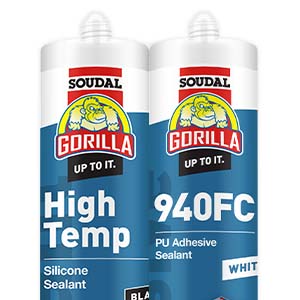

Automotive Sealants
Automotive sealants from Soudal covers windscreen bonding, panel sealing, underbody protection, and high-temperature engine bay applications for workshops and panel repair trades, supplied in 310ml, 600ml, and bulk formats to suit both single-job and high-throughput workshop use.
Sealants and coatings built for the demands under the bonnet, not just the shelf.
A dedicated windscreen sealant offers good sag resistance and high end strength, paired with a matched primer to increase bond strength on the glass and pinch weld. A general-purpose PU sealant and adhesive offers excellent adhesion across automotive, engineering, and construction substrates, while a high-temperature silicone withstands continuous exposure up to 280°C for engine bay sealing. Underbody protective coatings add sound deadening and water and solvent repellence to protect vehicle chassis long term. See the full Sealants range for general construction alternatives.
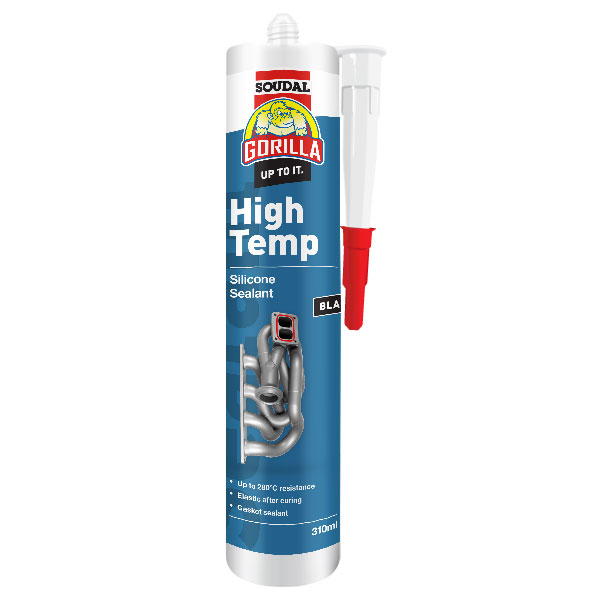
GORILLA HIGH TEMP SILICONE
- 310ml
- Resistant to fuels, oil & grease
- High temp resistance up to 280C
- Permanent elastic after curing
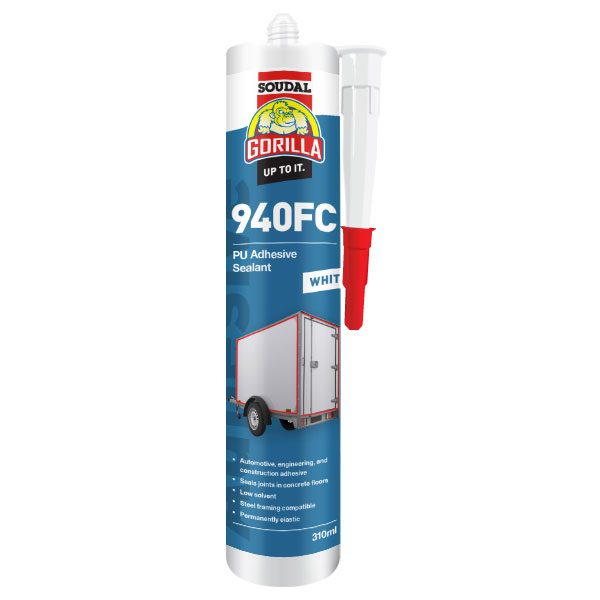
GORILLA 940FC PU
- 310ml, 600ml
- Quality PU sealant & adhesive
- Excellent adhesion
- Automotive, engineering and construction adhesive
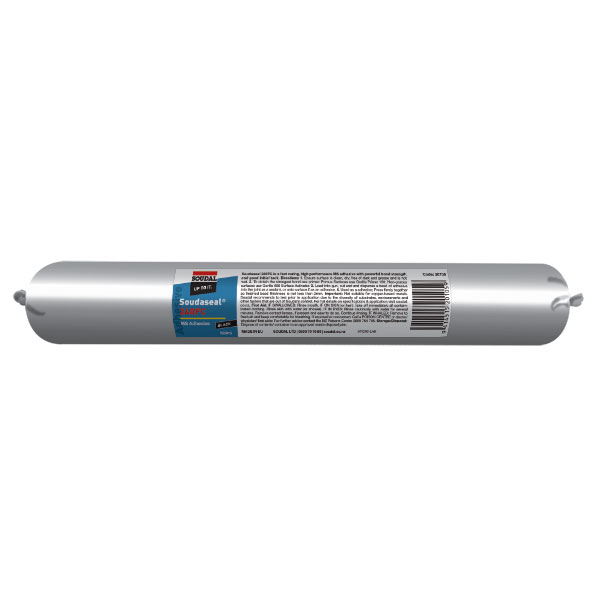
Soudal Soudaseal 240FC MS Adhesive
- 600ml, multiple colours
- Outstanding bond strength
- No odour
- VOC friendly
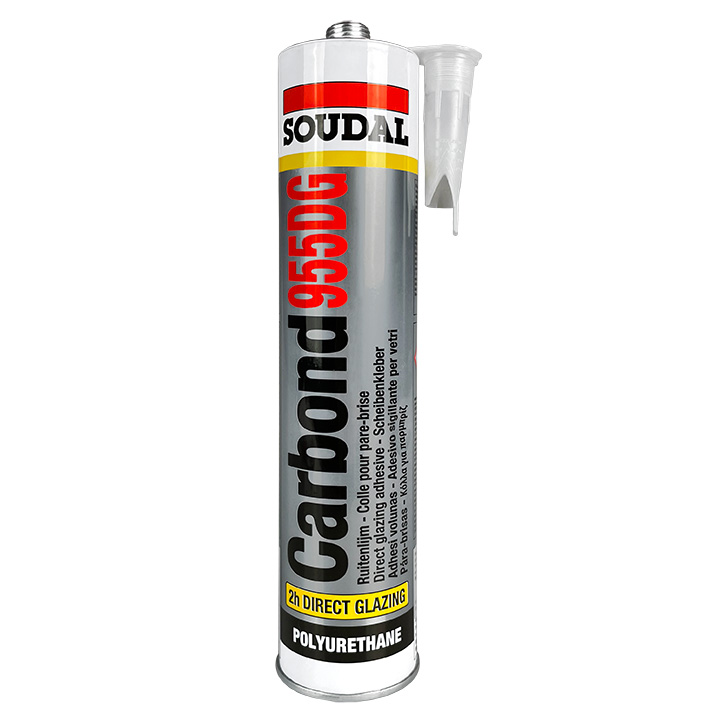
CARBOND 955DG SEALANT
- 310ml
- Windscreen sealant
- Good sag resistance
- High end strength
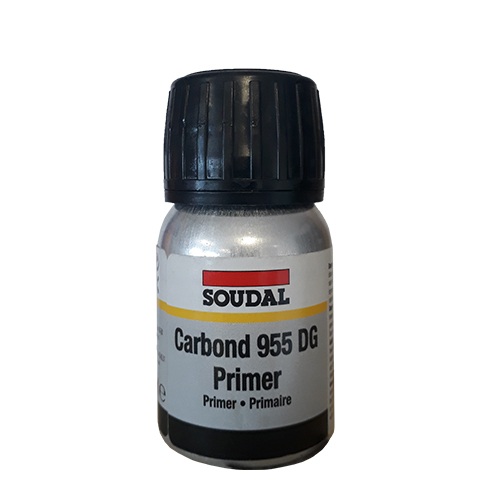
Carbond 955DG Primer
- Increases bond strength
- To be used before applying Carbond 955DG Windscreen Sealant
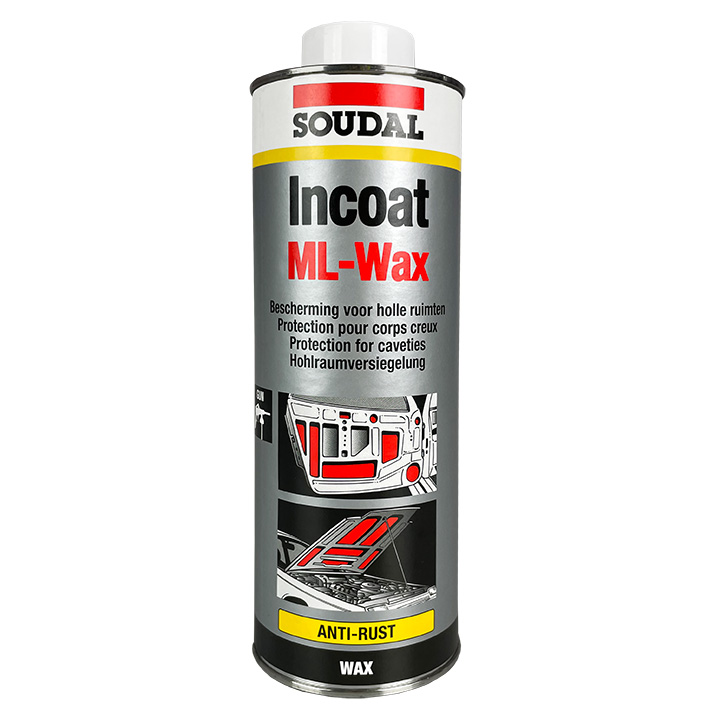
Soudal Incoat ML Wax
- 1kg, translucent, 20172
- Contains pure wax
- Does not drip
- Water repellent rust protection
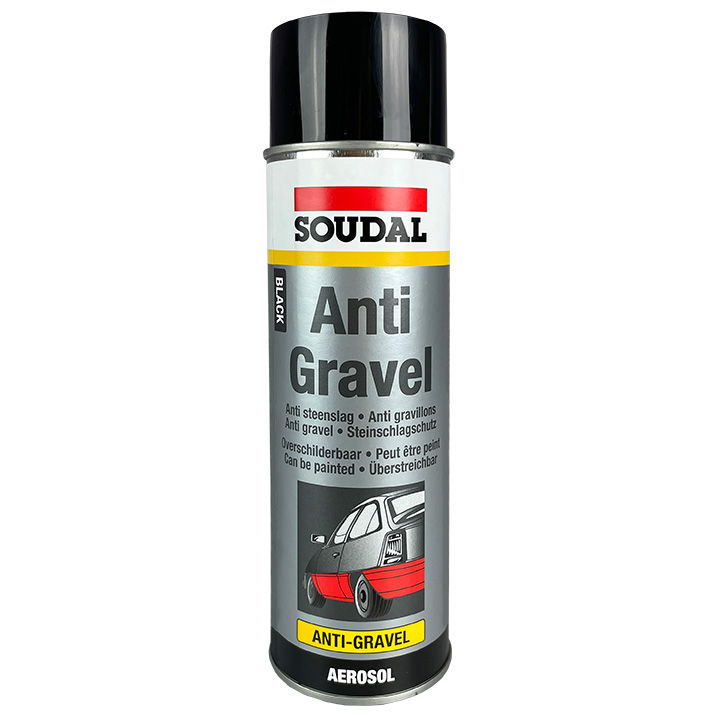
Soudal Antigravel
- 500ml 20167 & 1kg 20163, black
- Sound deadening
- Temperature resistant
- Water & solvent repellent
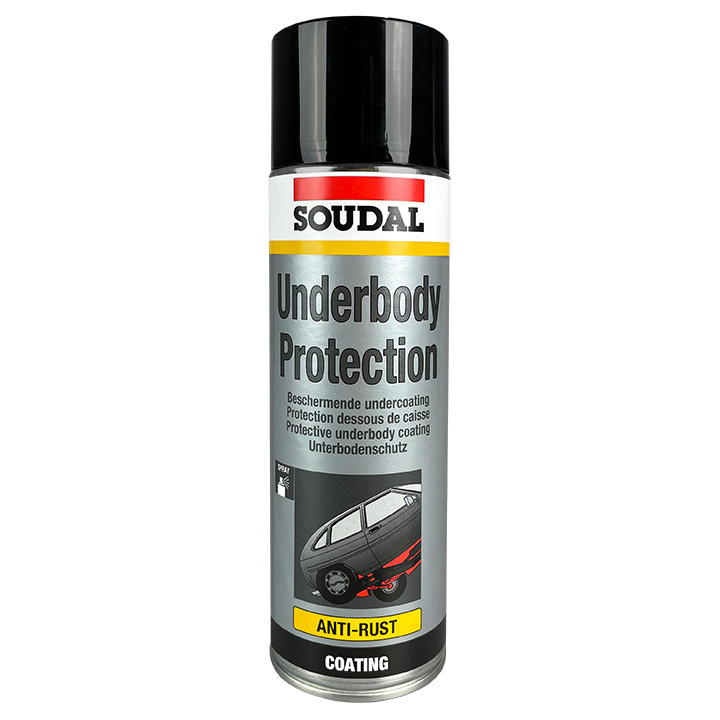
Soudal Underbody Protection
- 500ml 20164 & 1kg 20155, black
- Creates a tough elastic layer
- Sound deadening
- Can be painted
Choosing the right automotive sealant
Windscreen and glass bonding. A dedicated windscreen sealant with matched primer, formulated specifically for windscreen replacement with good sag resistance for vertical and overhead application.
General panel and structural sealing. A PU or MS adhesive sealant, both suited to bonding and sealing panels, trims, and structural joints with strong initial and long-term adhesion.
High heat, under-bonnet applications. A high-temperature silicone, rated to 280°C, for exhaust, engine bay, and other continuous-heat sealing jobs.
Underbody and chassis protection. Protective coatings providing sound deadening and water/solvent repellence over the sealed and protected areas.
Technical differentiators
- Cure speed: Fast-curing options for high-throughput panel and glass work
- Sag resistance: Windscreen sealants formulated to hold position on vertical and overhead application
- Temperature resistance: Standard sealants to general workshop conditions; high-temp silicone to 280°C
- Primer requirement: Windscreen sealant systems require a matched primer on glass and pinch weld for full bond strength
- Post-cure properties: Underbody coatings remain paintable and sound-deadening once cured
Automotive sealant application guidance
Windscreen sealant should always be used with its matched primer, applied to both the glass and the pinch weld before the sealant is applied, following the drive-away time stated on the datasheet before the vehicle is driven. Surfaces must be clean, dry, and free of old sealant residue or contamination before any automotive sealant is applied. High-temp silicone should be allowed to fully cure before the engine is run at operating temperature. Underbody coatings are typically applied to a clean, rust-treated surface and left to cure fully before the vehicle is exposed to water or road debris.
Explore the full Sealants range or contact us for workshop-scale supply.
Automotive sealants FAQs
What sealant is used for windscreens?
A dedicated windscreen sealant with good sag resistance and high end strength, used with a matched primer on the glass and pinch weld.
How long does windscreen sealant take to cure before driving?
Drive-away times vary by product and are stated on the technical datasheet, and depend on ambient temperature and humidity at the time of application. Always follow the specific drive-away time for the product used rather than a general estimate.
What's the difference between automotive sealant and general PU sealant?
Automotive-specific sealants are formulated for the vibration, temperature cycling, and substrate types found on vehicles, including primers designed to bond with automotive glass and coated metals, which general construction sealants aren’t tested for.
Does automotive sealant need a primer?
Windscreen and glass-bonding applications generally require a matched primer to achieve full bond strength. Panel and structural sealants may not require a primer depending on the substrate, check the product’s technical datasheet.