

The Importance of Priming Before Sealing: How to Get Long-Lasting, Professional Results
Key Takeaways:
- Priming is essential: Improves adhesion, reduces risk of sealant failure, and ensures long-lasting results.
- Use the right primer for the surface: Gorilla Primer 150 for porous surfaces; Soudal Primer 100 for non-porous surfaces.
- Prep surfaces properly: Clean, dry, and free from dust, oils, or old adhesives.
- Follow correct application: Apply thin, even layers; allow drying; seal within the open time.
- Avoid common mistakes: Wrong primer, over- or under-application, or ignoring environmental conditions can compromise results.
What Is a Primer and Why Do You Need It?
A primer is a liquid product applied to a surface before sealing or bonding. It improves adhesion between the substrate and the sealant or adhesive, especially in difficult or high-exposure environments.
For porous materials like concrete or brick, primer helps stabilise the surface and prevent it from absorbing the sealant. For non-porous or coated materials, it ensures the sealant bonds properly to otherwise smooth or low-energy surfaces.
In short, priming:
- Improves adhesion
- Reduces the risk of sealant failure
- Helps sealants perform as intended over time
- Ensures compatibility between the surface and the product being applied
Skipping this step can lead to peeling, cracking, or water ingress, which are costly to fix later.
When and Where to Use Primer
Primers are especially important in the following situations:
- On porous surfaces such as concrete, plaster, brick, or mortar
- In wet areas such as bathrooms, showers, or exterior joints exposed to moisture
- On non-porous surfaces including powder-coated metals, plastics, and painted finishes
- Before applying SMX Polymer, silicone, or polyurethane sealants and adhesives
Using the correct primer helps create a reliable bond where sealants alone may struggle to adhere, particularly under high moisture, temperature changes, or joint movement.
Choosing the Right Primer for the Job
Gorilla Primer 150 – For Porous Surfaces and Silicone/SMX Polymer Sealants
Gorilla Primer 150 is a universal primer for porous materials, designed to prepare surfaces before applying silicone sealants or SMX Polymer-based adhesives and sealants. Ideal for:
- Expansion joints
- Porous wall surfaces exposed to water
- Prepping concrete, mortar, brick, and other absorbent materials
Soudal Primer 100 – For Non-Porous Surfaces and PU Sealants
Soudal Primer 100 is a polyurethane-based primer formulated for use on non-porous materials, such as certain plastics, powder coatings, and smooth finishes. Ideal for:
- Pre-treated or coated metals
- Plastics or composite materials
- Surfaces requiring polyurethane sealants
How to Apply Primer: Best Practices
- Clean the Surface – Make sure the surface is dry, dust-free, and free from oils, old adhesives, or other contaminants.
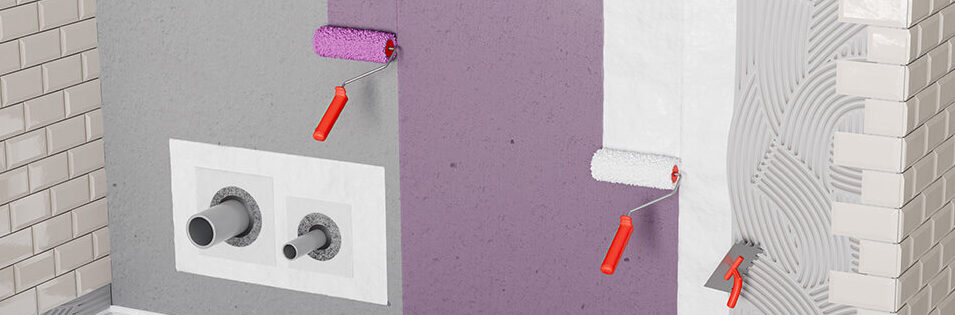
- Apply Primer Evenly – Use a clean brush or applicator to apply a thin, even layer. Avoid over-application. A second pass may be needed on very porous areas.
- Allow to Dry Fully – Follow the manufacturer’s instructions for drying times, which vary depending on temperature and humidity.
Apply Sealant Within the Open Time – Most primers have a working window for applying sealants. Don’t wait too long, or re-priming may be necessary.
Common Mistakes to Avoid
- Using the Wrong Primer – Ensure compatibility with both the surface and the sealant type.
- Over- or Under-Application – Too much primer can create a slippery surface, too little may not prepare the substrate adequately. Tip: Test on a small hidden area first.
Ignoring Environmental Conditions – Temperature and humidity affect drying times. Cold, humid, or hot environments may require extra care.
In Summary
Using the right primer is a simple but essential step in any sealing or bonding project. It strengthens adhesion, improves durability, and helps prevent costly failures.
- Porous surfaces – use Gorilla Primer 150 with silicone or SMX Polymer sealants.
- Non-porous surfaces – use Soudal Primer 100 with polyurethane sealants.
- Proper surface cleaning, even application, and following drying instructions ensures professional, long-lasting results.
Investing a few extra minutes in priming can make all the difference in the long-term success of your sealing application.
FAQs
Do I always need to use a primer before sealing?
Yes, priming ensures proper adhesion and long-term performance, especially on porous or non-porous surfaces.
Which primer should I use for concrete or brick?
Gorilla Primer 150 is ideal for porous materials and works with silicone or SMX Polymer sealants.
Which primer should I use for plastics or powder-coated metals?
Soudal Primer 100 is formulated for non-porous surfaces and polyurethane sealants.
How long should I wait for primer to dry?
Drying times vary depending on temperature, humidity, and surface porosity. Always follow manufacturer instructions.
Can I skip primer in low-risk areas?
Skipping primer increases the risk of sealant failure, peeling, or cracking. It’s best to always use it for optimal results.
What is the biggest mistake people make with primer?
Using the wrong primer or over-/under-applying it. Also, ignoring drying times in challenging environmental conditions.