

Skirting Boards and Decorative Fixtures
Key Takeaways:
-
Use high-strength adhesives to securely fix skirting boards, trims, cornices, and mouldings for a clean, professional finish.
-
Flexible MS polymer and construction adhesives help accommodate minor substrate movement and reduce the risk of joint failure over time.
-
Suitable for interior installations across common building substrates including timber, MDF, plasterboard, masonry, and painted surfaces.
-
Fast grab and rapid curing options help reduce installation time and improve on-site efficiency.
-
A combination of high-tack and fast-curing adhesives ensures strong bonding, neat joints, and long-lasting results.
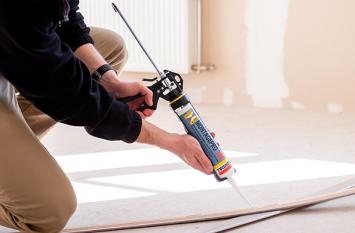
Installing Skirting Boards and Decorative Fixtures
Installing skirting boards and decorative fixtures requires precision, strong adhesion, and reliable grab to achieve a polished and durable finish. Selecting the right adhesive ensures boards remain firmly positioned while compensating for minor irregularities in wall and floor surfaces.
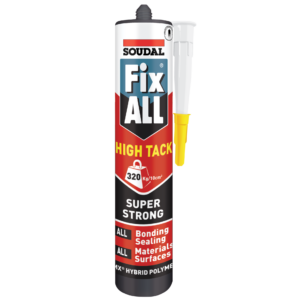
For maximum initial hold and heavy-duty bonding, Fix ALL High Tack provides extremely strong grab, making it ideal for vertical applications and heavier skirting or trim installations.
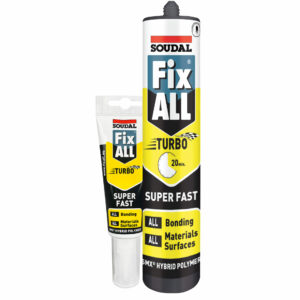
Where faster curing is required to speed up installation and reduce downtime, Fix ALL Turbo delivers rapid strength build-up while maintaining flexibility and long-term durability.
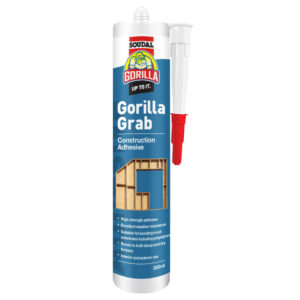
For general construction bonding of skirting boards, trims, and mouldings, Gorilla Grab provides excellent adhesion to a wide variety of building materials and offers strong gap-filling properties to help achieve flush, secure installations.
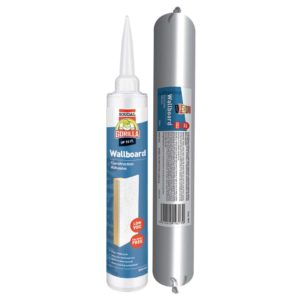
When installing wall linings or fixing decorative fixtures to plasterboard and similar substrates, Gorilla Wallboard is specifically designed to provide strong and reliable bonding while supporting efficient installation workflows.
Using the correct adhesive helps ensure joints remain secure, minimises movement, and supports a professional long-term finish.
How to Apply Adhesive for Skirting and Fixtures
Apply adhesive in a continuous zig-zag or bead pattern along the back of the skirting board or fixture to ensure even distribution and maximum surface contact. Press the board firmly into position to activate the adhesive’s grab properties.
Adjust positioning immediately after placement to achieve accurate alignment and tight mitre joints. Excess adhesive should be removed before curing to maintain a clean finish.
Selecting the appropriate adhesive based on grab strength, cure speed, and substrate compatibility helps prevent movement, reduces the risk of joint separation, and ensures a long-lasting installation outcome.
FAQs
What is the best adhesive for installing skirting boards?
The best adhesive depends on the weight of the skirting board and the substrate you are fixing to. High-tack MS polymer adhesives from Soudal provide strong initial grab, making them ideal for vertical installations and heavier trims. Fast-curing options are also available where quicker strength build-up is required to speed up installation.
Can I install skirting boards without nails or screws?
Yes. Modern construction adhesives are designed to provide strong and durable bonding without mechanical fixings in many applications. High-grab adhesives can securely hold skirting boards in place while curing, helping create a clean finish without visible fixings. However, mechanical fixings may still be recommended for very heavy materials or uneven substrates.
What surfaces can skirting board adhesives bond to?
Most high-quality construction and MS polymer adhesives bond well to common building materials including timber, MDF, plasterboard, masonry, concrete, and painted surfaces. Always ensure surfaces are clean, dry, and free from dust, grease, or loose material before application to achieve the best results.
How do I ensure a neat and professional skirting board finish?
Apply adhesive evenly in a zig-zag or bead pattern to ensure full surface contact and strong bonding. Press boards firmly into position and check alignment immediately after placement. Removing excess adhesive before it cures and ensuring tight mitre joints will help achieve a clean, professional finish that lasts over time.